Find Everyday Comfort for Sensitive Teeth at Home
Tooth sensitivity can turn simple things into small struggles. A sip of cold water, a scoop of ice cream, or even brushing in the morning can cause a sharp twinge that makes you brace yourself. If that sounds familiar, you are not alone, and there is nothing "wrong" with you for feeling this way.
We focus on gentle dental care in Alexandria, VA, so we see sensitive teeth every day. Patient care comes first, and that includes the time between visits. With a soft, step-by-step home routine, you can often calm your teeth, protect your smile, and move through your day with more comfort and less worry.
Think of this as a simple guide, not a list of rules. You get to pick what feels right for you. Small, kind changes at home can make a big difference, and when you are ready for more help, your trusted dental home is here with modern dentistry with a personal touch, no judgment, only solutions. We make it easy to ask questions, try new tools, and find what works best for you.
Choosing a Toothbrush That Loves Your Teeth Back
The right toothbrush should feel like a soft sweater for your smile, not a stiff scrub brush. For sensitive teeth, softer is usually better.
Try these tips when you pick and use your toothbrush:
- Choose soft or extra-soft bristles
- Look for a smaller brush head for better control
- Pick a handle that feels easy to hold and move gently
Pressure matters just as much as the toothbrush itself. A helpful way to think about it is this: you are polishing a peach, not scrubbing a pot. Pressing harder does not clean better; it just wears on your teeth and gums.
When you brush:
- Use short, gentle strokes along the gumline
- Aim the bristles where the tooth and gum meet
- Let the bristles do the work instead of your arm muscles
If cold drinks and summer treats bother your teeth, try brushing with lukewarm water instead of cold. Give your mouth about 30 minutes after acidic foods or drinks, like lemonade or soda, before brushing. This waiting time helps protect your enamel while still keeping your teeth clean.
If brushing always hurts, even when you are gentle, that is a sign to let a caring dental team take a closer look. Pain is your mouth's way of asking for help, and a calm, comfort-focused visit can help us personalize your routine so brushing feels easier and kinder.
Desensitizing Toothpaste and Simple Daily Comfort Habits
Desensitizing toothpaste can be a big help for sensitive teeth. In simple terms, it helps "calm down" the tiny pathways inside your teeth that lead to the nerves. Over time, it can make those sharp twinges feel softer or stop altogether.
To get the most out of it:
- Choose a fluoride toothpaste made for sensitive teeth
- Brush gently for two minutes, twice a day
- Spit out the extra foam, but try not to rinse with water right away
For extra comfort, you can dab a pea-sized amount of the toothpaste directly on your most sensitive spots before bed and leave it there without rinsing. This gives the active ingredients more time against the tooth surface while you sleep.
Relief usually builds slowly, not overnight. Many people start to notice a change after several weeks of steady use. That is why a plan that fits your habits matters. Maybe you are always on the go, or maybe you prefer simple, repeatable steps at home. Modern dentistry with a personal touch means we can suggest a specific toothpaste and rhythm that match your lifestyle, not a one-size-fits-all fix.
If you feel unsure about which product to choose, bring that question to your next visit. You do not have to figure it out alone. We make it easy by walking you through options in plain language and focusing on what feels realistic for your day-to-day life.
Gentle Flossing Aids and Nighttime Mouthguard Habits
Flossing can be tricky, especially when your teeth and gums already feel tender. If you struggle with traditional string floss, you are not the only one, and there is no judgment, only solutions.
You might find it easier to use:
- Floss picks with a small handle
- Pre-threaded flossers that are ready to use
- Water flossers that rinse gently between teeth
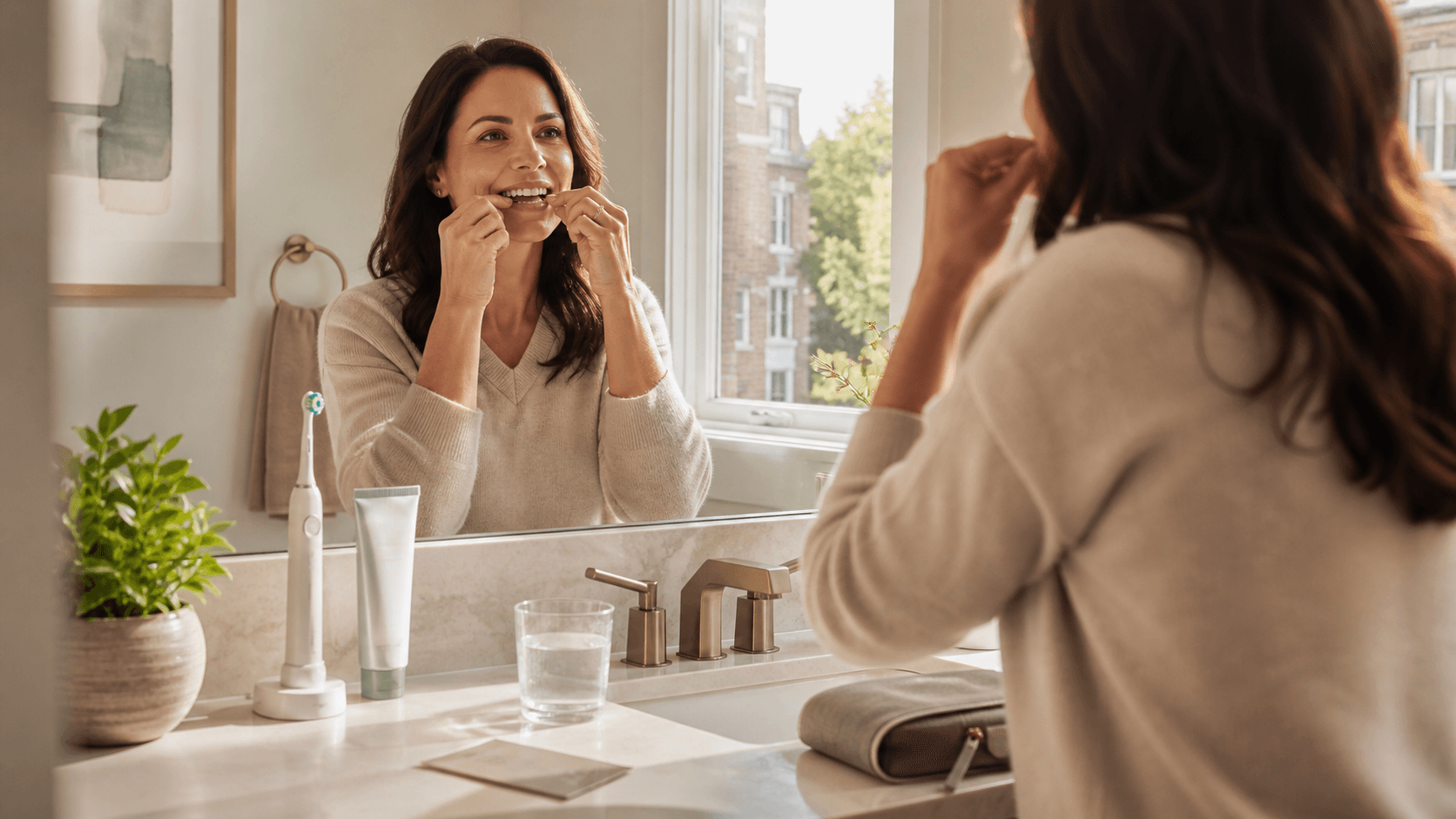
No matter which one you choose, the way you move it matters for comfort. Slide the floss gently between your teeth instead of snapping it down. Then wrap it in a "C" shape around the side of each tooth and move it up and down with light pressure. Think of it as wiping a window, not sawing a branch.
Nighttime habits can also affect sensitivity. Clenching or grinding your teeth, sometimes without even noticing, can make teeth feel bruised or extra sensitive. Stress, schedule changes, or even poor sleep can make grinding worse.
A custom mouthguard can act like a cushion between your teeth while you sleep. To keep it working well:
- Rinse it every morning with cool water
- Clean it gently with a soft toothbrush
- Store it in a ventilated case, not loose on a counter
- Bring it with you to your checkups so we can make sure it still fits comfortably
These small habits help your guard stay fresh, protect your teeth, and feel good to wear.
When Sensitive Teeth Mean It's Time to Call
Some sensitivity is common, but certain signs mean your mouth is asking for extra care. It is a smart and kind choice to check in when you notice:
- Sensitivity that is getting worse instead of better
- Pain that lingers after hot or cold drinks
- Tenderness when you bite down or chew
- A single tooth that feels different from the rest
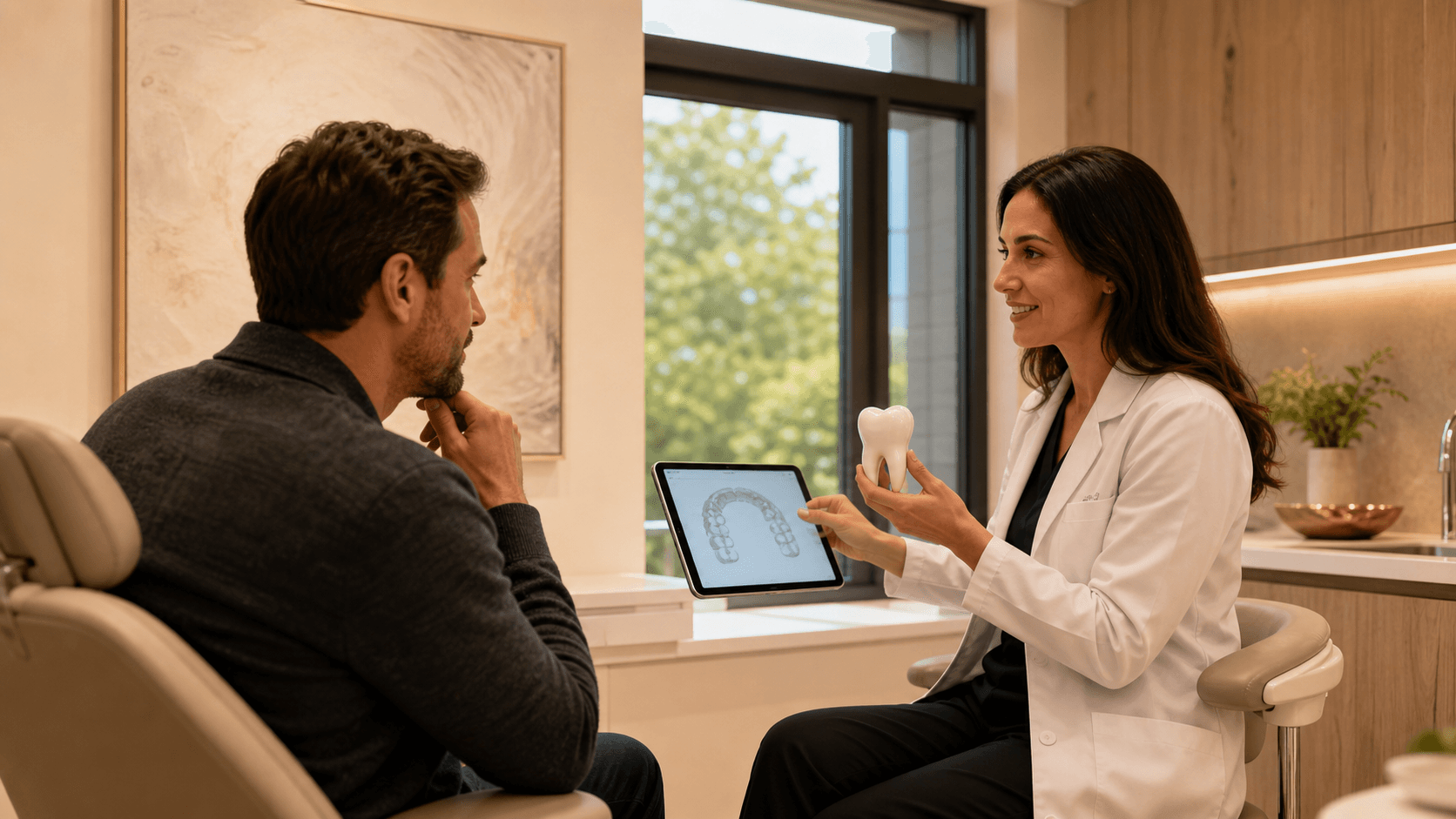
A comfort-focused checkup is calm and unrushed. We start by listening to your story and your worries. Then we use modern tools to help pinpoint what is going on, from worn enamel to small cracks or changes in your gums. You are always in control, with clear explanations before anything is done.
Gentle dental care in Alexandria, VA, means we look for the least invasive solutions that still protect your long-term health. That might include:
- Simple in-office treatments to calm sensitivity
- Smoothing rough edges that catch or irritate
- Adjusting how your teeth meet when you bite
- Updating older fillings or other work that no longer fits your smile comfortably
We make it easy by keeping the mood kind, explaining each step, and checking in with you often. Dental fear is common, and we respect it. You are never "too late" or "too sensitive" here. You are simply a person who deserves comfort and clear answers.
Make Your Next Visit the Most Comfortable yet
You do not have to overhaul your whole routine at once. Try choosing just one or two small changes from this guide. You might switch to a soft toothbrush, add a desensitizing toothpaste at night, or trade snapping floss for a gentler floss pick or water flosser. Notice how your teeth feel over the next few weeks. Even small shifts can bring more ease to your day.
Ridgetop Dental is your trusted dental home for gentle dental care in Alexandria, VA and across Northern Virginia. Patient care comes first, which means every visit is built around listening, comfort, and a clear plan that fits your life. We make it easy to get started, stay on track, and ask for help whenever you need it. You are in good hands; there is always a solution, and together we can create a home and in-office routine that helps you smile with confidence, not only at checkups but every single day.
Experience Comfortable, Confident Smiles Starting Today
If you are ready for a kinder, more patient-focused approach to your oral health, we are here to help at Ridgetop Dental. Explore how our gentle dental care in Alexandria, VA can restore function and confidence to your smile with minimal discomfort. Schedule your visit today so we can listen to your concerns, answer your questions, and build a personalized treatment plan that feels right for you.