Protect Your Smile While You Sleep
Sleep quality and oral health can be more connected than most people realize. Teeth can slowly become flat, chipped, or sensitive from pressure during sleep, and those changes may be easy to miss at first. The good news is that tooth wear is common, and we can often help protect your smile when we identify what may be causing it early.
At Ridgetop Dental, we care for families across Alexandria, Reston, and Sterling with a patient-first approach. Sleep apnea tooth wear does not mean sleep apnea directly causes every worn tooth. Still, disrupted breathing and nighttime grinding can sometimes happen together, so we look at the full picture with no judgment, only solutions.
How Sleep Apnea May Contribute to Tooth Wear
Sleep apnea is a condition in which breathing repeatedly pauses or becomes limited during sleep. These breathing changes can interrupt deep, restful sleep. Your body may briefly wake or become more alert many times during the night, even if you do not remember it the next morning.
For some people, frequent sleep disruptions may be linked with clenching or grinding their teeth, also called bruxism. Jaw muscles may tighten as the body responds to changes in breathing, airway strain, or interrupted sleep. Stress can also play a part, which is one reason we avoid making assumptions based on one sign alone.
Over time, repeated grinding can place strong pressure on your enamel, restorations, and jaw muscles. This is where sleep apnea tooth wear may become noticeable. Not everyone with sleep apnea grinds their teeth, and not everyone with worn teeth has sleep apnea. Personalized care matters because several factors can affect your smile.
Why Tooth Wear Deserves a Closer Look
Tooth wear often develops little by little. You may not notice a change until a tooth feels sensitive, a filling breaks, or you see that your teeth do not look the way they used to. During routine exams, we look for patterns that can point to ongoing pressure or enamel loss.
Common signs of tooth wear can include:
- Flattened or shorter biting edges
- Small chips or rough tooth edges
- Cracks in teeth or restorations
- New sensitivity to hot, cold, or sweet foods
- Dental work that wears down or breaks more easily
Sleep concerns are only one possible piece of the puzzle. Daytime clenching, acidic foods and drinks, acid reflux, bite alignment concerns, and normal aging can all contribute to wear. A careful dental evaluation helps us understand which signs may be connected, rather than treating every worn tooth as if it has the same cause.
Signs That May Point to Nighttime Strain
Your mouth and jaw may offer clues about what happens while you sleep. Waking with jaw soreness, headaches, facial tension, sensitive teeth, or a tired feeling in your jaw can suggest nighttime clenching or grinding. These symptoms do not automatically mean you have sleep apnea, but they are worth sharing with us.
Sleep-related symptoms may also deserve a conversation with a physician or sleep specialist. Pay attention if you or someone close to you notices:
- Loud snoring
- Gasping or choking sounds during sleep
- Frequent waking during the night
- Daytime tiredness or trouble focusing
- Pauses in breathing noticed by a sleep partner
We can recognize oral signs of grinding, tooth wear, and jaw strain during your dental care. A qualified physician or sleep specialist is the right person to evaluate and diagnose sleep apnea. When dental and medical concerns are discussed together, you can get clearer answers and feel more confident about the next steps.
Protecting Teeth During Sleep Apnea Care
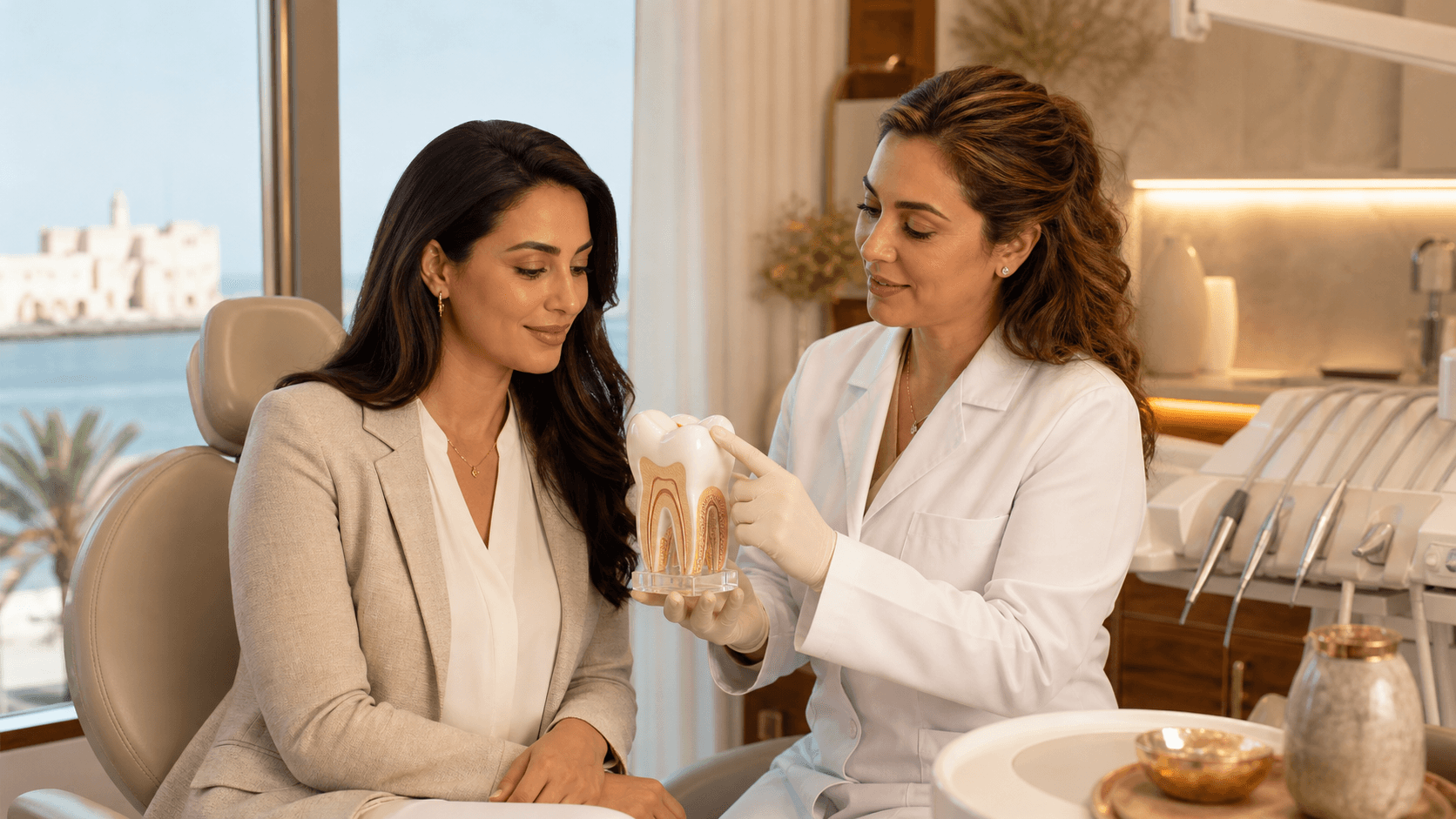
Protecting your teeth begins with understanding why they are wearing down. During an exam, we can assess your bite, enamel, restorations, jaw tenderness, and other signs that may point to nighttime strain. Advanced technology can help us take a closer look while keeping your experience comfortable and clear.
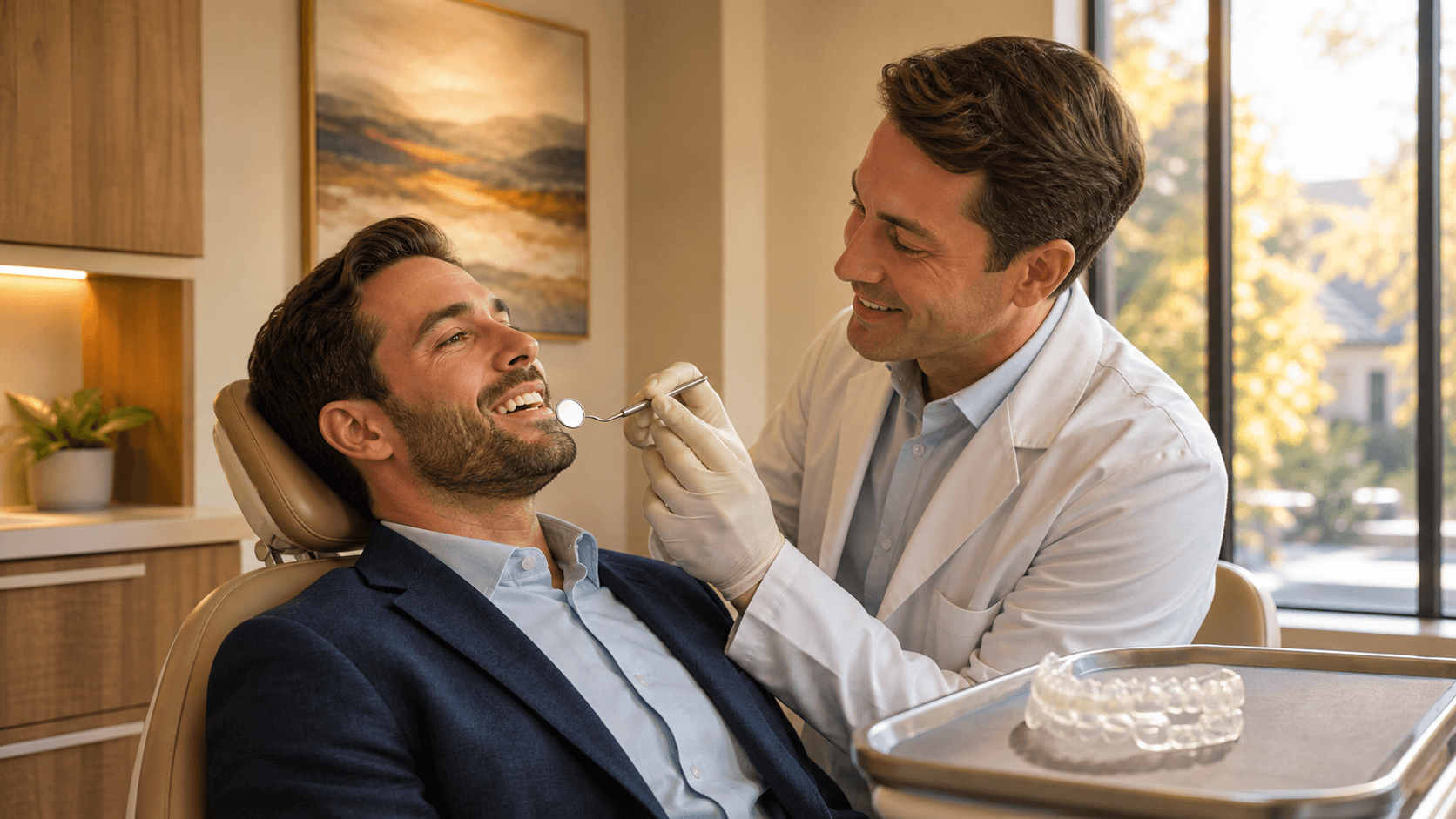
Depending on what we find, a custom nightguard may be considered to help shield teeth from grinding forces. A nightguard can help protect enamel and dental work, but it does not treat sleep apnea itself. If wear has already caused chips, cracks, or damaged restorations, restorative dental care may help rebuild comfort and function.
When sleep apnea is a concern, care may involve more than one provider. Based on a medical diagnosis and your individual needs, treatment could include guidance from a physician or sleep specialist, CPAP therapy, or an oral appliance provided by a dentist with the appropriate training. Coordinated care supports both your oral health and your overall well-being.
Personalized Smile Evaluation
If you have noticed worn teeth, jaw discomfort, new sensitivity, or changes in your sleep, bringing up those details during a dental visit can be helpful. We'll listen carefully, explain what we see in plain language, and help you understand whether your teeth show signs of strain.
Early attention can help preserve natural teeth, reduce discomfort, and prevent small concerns from becoming more involved. A clearer understanding of your smile and sleep habits is a strong first step toward lasting comfort and confidence.
Protect Your Smile With Personalized Care
At Ridgetop Dental Group, we'll listen to your concerns and create a personalized plan that supports your comfort and long-term oral health. Get compassionate guidance and restorative options for sleep apnea tooth wear from a team that puts patient care first. We make it easy to take the next step toward a healthier, more confident smile.