Chewing Shouldn't Hurt: Gentle Help Is Here
Chewing with dentures should feel steady and comfortable, not stressful or painful. When your dentures slip, pinch, or make you avoid certain foods, everyday meals can start to feel like hard work instead of a simple pleasure.
You might sit down at a local restaurant or at home with family, take that first bite, and feel your dentures move, rub, or dig into one sore spot. Right away, you are thinking more about your teeth than your food. That is frustrating, and it is also very common. The good news is that most denture chewing problems can be gently fixed.
We are a dental team in Northern Virginia that focuses on personalized, technology-driven care for patients of all ages. We help people feel calm, heard, and confident with their smiles, including those who struggle with dentures in Reston, VA. In this article, we will walk through why chewing can be hard with dentures and simple, kind solutions that can help you enjoy meals and time with others again.
Why Dentures Can Make Chewing So Frustrating
Dentures do not just rest on teeth. They rest on living tissue. Your gums and jawbone can change shape over time. When that happens, dentures that once fit well can start to feel loose or uneven. Even small changes can make chewing feel off.
Common reasons dentures make chewing hard include:
- Changes in the jaw and gums after tooth loss
- Dentures that were never fully adjusted to your bite
- Pressure spots where the denture rubs or digs in
- Older dentures that have worn down or flattened over the years
These issues can show up in your daily life as:
- Dentures slipping when you bite into something
- Sore spots that show up after meals
- Avoiding crunchy, chewy, or sticky foods
- Feeling nervous eating in front of other people
None of this means you have done something wrong. These are signals from your mouth, not failures. It is your body's way of telling you that something needs to be checked or adjusted.
The emotional side matters too. You might feel embarrassed, worried someone will notice, or simply tired of always thinking about your dentures. Those feelings are real, but they do not have to be permanent. With thoughtful care and modern techniques, well-fitting dentures in Reston, VA can feel more natural and secure, so you can focus on your meal, not your teeth.
Simple, Gentle Fixes That Can Change Everything
Many chewing problems can be eased with small, careful changes. Sometimes, the fix is not a brand-new denture, but a better version of the one you already have.
Some gentle adjustments that can help include:
- Fine-tuning your bite so your teeth meet more evenly
- Smoothing or reshaping spots where the denture is pressing too hard
- Relining the inside of the denture so it matches your current gums
- Refreshing or updating an older denture so it works for your mouth today
There are also supportive habits that can make chewing easier while your dentures are being adjusted:
- Taking smaller bites so the denture stays more stable
- Chewing on both sides of your mouth at the same time
- Starting with softer foods while you build strength and confidence
- Using a high-quality denture adhesive correctly, if your dentist recommends it
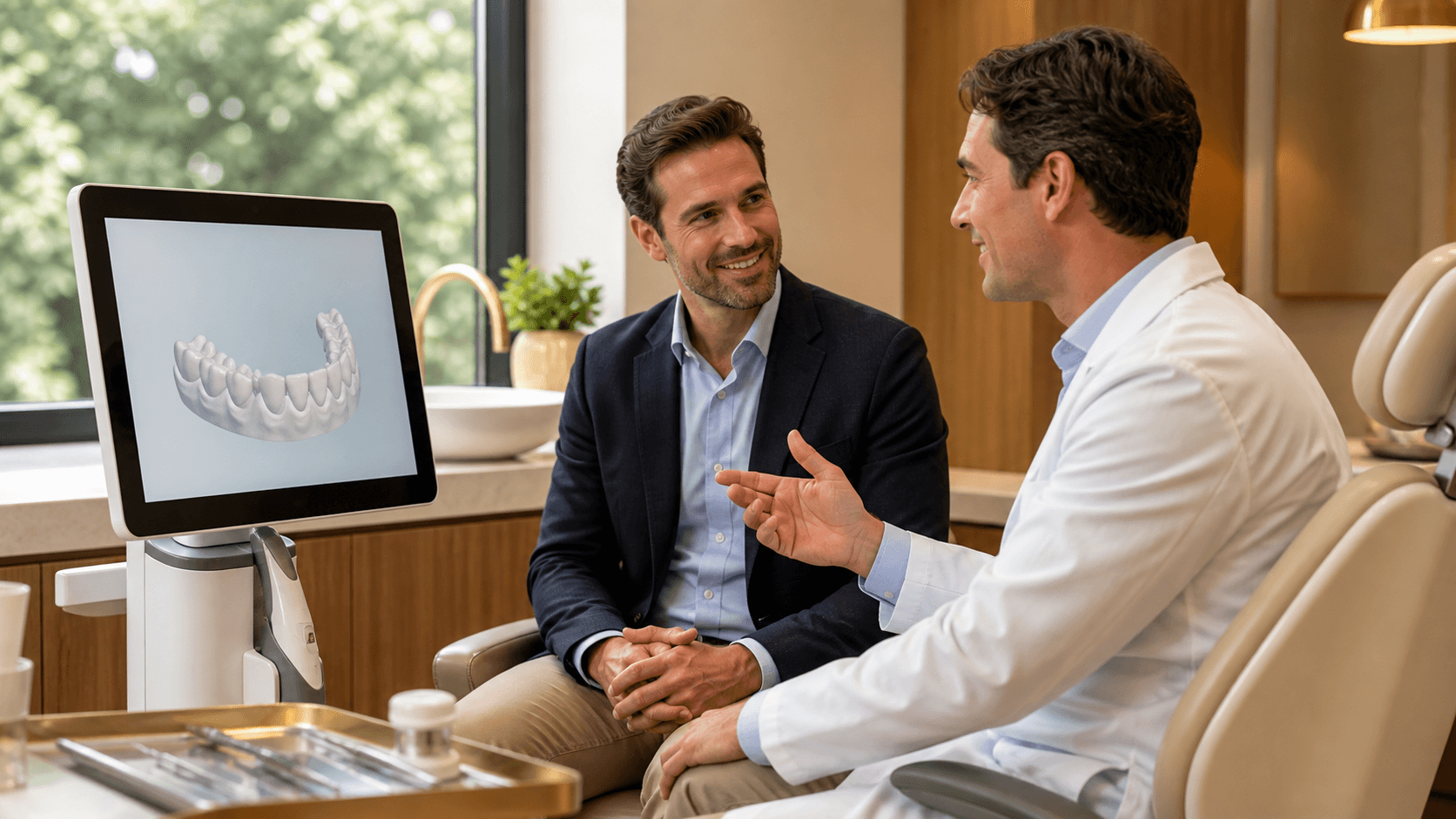
At our office, we use modern tools like digital impressions and detailed bite checks to make these changes more precise and comfortable. That means fewer guesswork adjustments and more focused relief. Often, even one thoughtful visit can make a big difference in how your dentures feel.
We often see people who have been avoiding crunchy foods or holding back at family dinners because chewing felt risky or painful. After a careful exam and some gentle adjustments, many of them can go back to enjoying a wider range of foods and feel much calmer at meals.
When It's Time to Rethink Your Dentures
Sometimes, adjustments alone are not enough. Dentures age just like shoes or glasses. As your mouth changes, there comes a point when the denture simply cannot keep up.
You might be ready to rethink your dentures if:
- They feel very loose, even with adhesive
- They crack, chip, or look visibly worn down
- You have had the same set for many years without updates
- You keep getting sore spots, even after several adjustments
In those cases, it may be time to talk about new options. These can include:
- New full dentures that fit your current gums and bite
- Partial dentures to fill in several missing teeth
- Implant-supported dentures that snap into place for more stability
The idea is not to push you into something you do not want. It is to give you choices that match how you want to eat, speak, and live. Secure dentures can make it easier to enjoy simple pleasures like crisp fruits, warm bread, and shared meals, without that constant fear of slipping or rubbing.
We see many people who used to dread social events because their dentures felt loose or unpredictable. When they switch to a more stable, longer-lasting option, their whole body language can change. They smile more freely, talk without hiding their mouth, and join in neighborhood or family gatherings with less worry.
What to Expect at a Comfort-Focused Denture Visit
If you are already worried about your dentures, the idea of a dental visit might feel stressful. Our goal is to make it feel like a calm, helpful step, not something to fear.
A typical comfort-focused visit often includes:
- Listening to your story and what bothers you most
- Looking at how your dentures fit when you talk, bite, and swallow
- Gently checking any sore spots or areas that rub
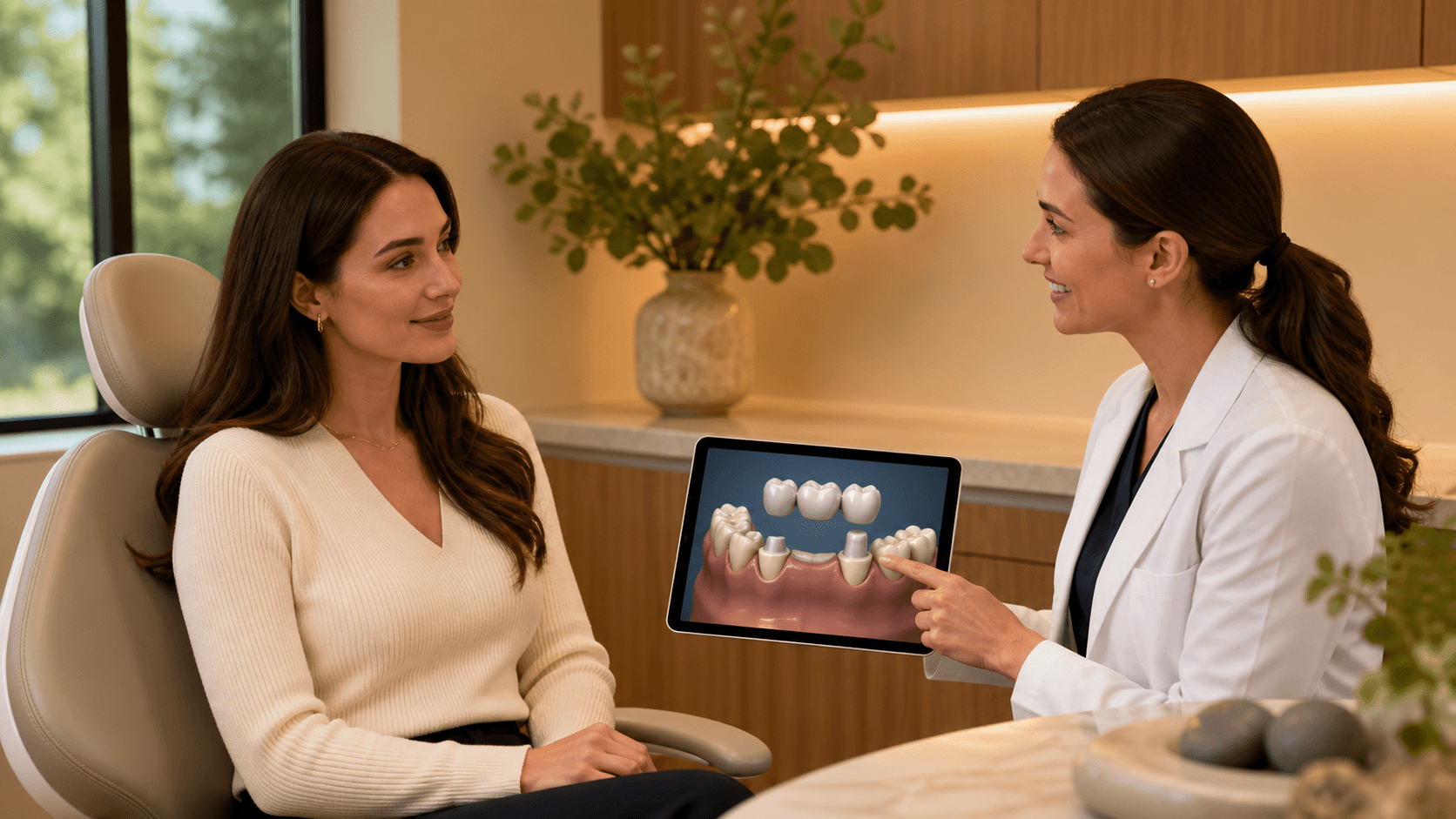
- Explaining what we see in simple, clear language
Together, we talk through your goals. Maybe you want to:
- Chew more types of foods without pain
- Use less adhesive
- Feel more confident smiling and talking
- Explore more stable options for the future
From there, we build a plan that fits you. That might be quick in-office adjustments, a reline, or a conversation about new dentures or implants. The environment is calm and unhurried, with plenty of time for questions. Many people feel some relief right away from small tweaks, while longer-term plans focus on comfort, stability, and results that last, all without pressure or judgment.
Taking the First Bite Back Toward Comfort and Confidence
You do not have to just live with denture pain or chewing problems. Eating, laughing, and talking comfortably are basic parts of everyday life, and you deserve all of them.
At Ridgetop Dental, we care for patients with dentures in Reston, VA and across Northern Virginia with a focus on comfort, advanced technology, and personalized support. Whether these are your first dentures or you have been struggling with the same pair for years, you will be met with understanding, not criticism.
When your dentures fit well, simple moments feel better. You can enjoy a favorite meal with family, smile in photos without worry, and spend less time thinking about your teeth and more time enjoying the people around you.
Restore Confidence In Your Smile Today
If you are ready to replace missing teeth with a stable, natural-looking solution, we are here to help. At Ridgetop Dental, we carefully customize dentures in Reston, VA to fit comfortably and support your long-term oral health. Schedule a consultation with our team so we can evaluate your needs, answer your questions, and design a treatment plan that suits your lifestyle. Let us help you enjoy eating, speaking, and smiling with confidence again.