Is a Dental Crown Worth It for Protecting Worn Teeth in Reston?
Worn teeth are common. Years of chewing, clenching, and everyday use can slowly change a tooth's shape or strength, often before you feel major pain. That's why a recommendation for a crown can sometimes feel surprising, even when a tooth has been quietly showing signs of wear for a while.
You may notice flattened edges, small chips, sensitivity to hot or cold foods, discomfort when biting, or a tooth that looks shorter than it once did. None of these changes mean you have done anything wrong. They simply tell us that your tooth may need more support. When protecting the natural tooth can help restore comfort and reduce the chance of further damage, a dental crown may be worth considering. At Ridgetop Dental Group, patient care comes first. We listen, evaluate carefully, and explain your options in clear, judgment-free language.
When a Crown May Be the Right Choice
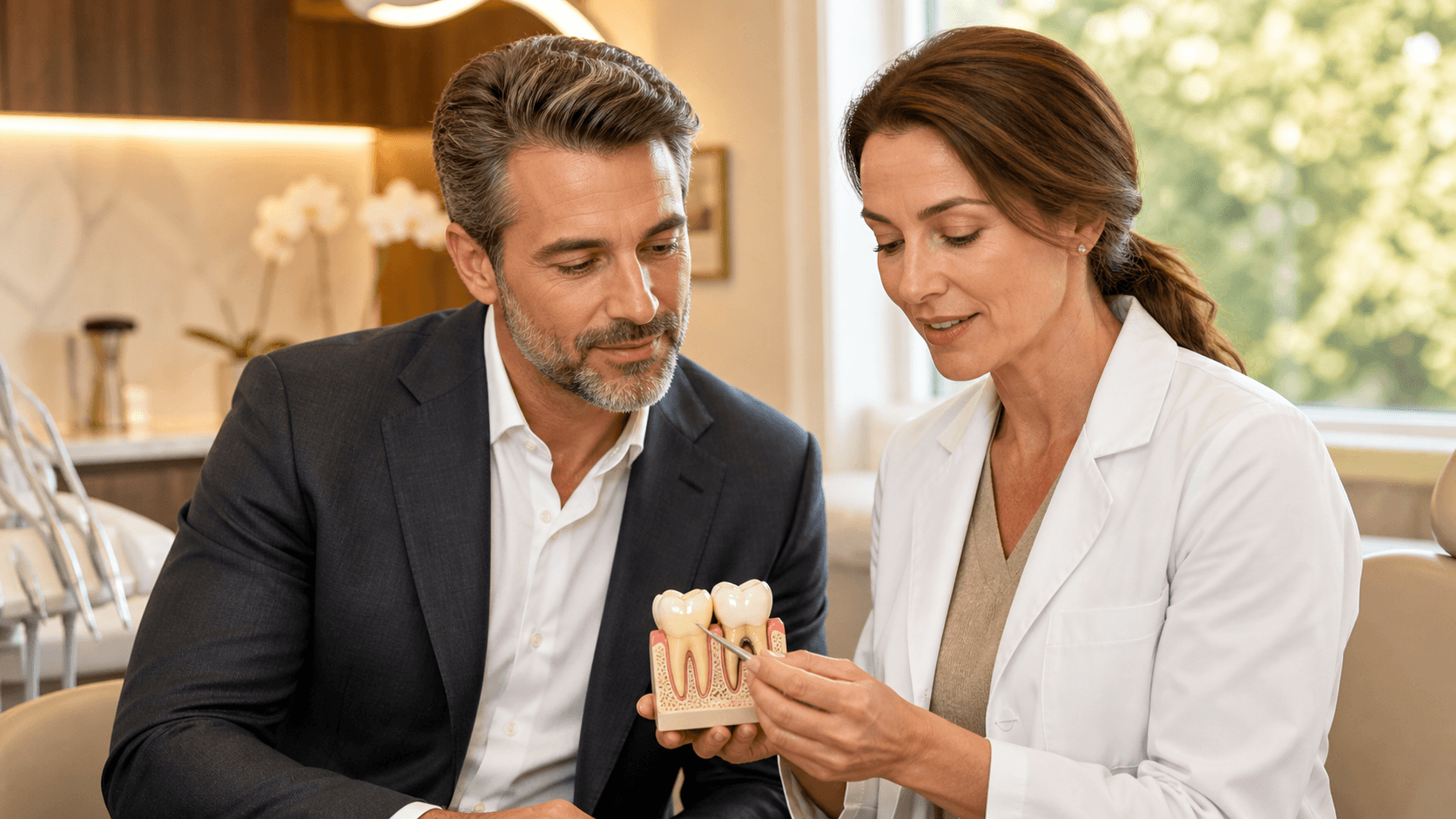
Not every worn tooth needs a crown. In some cases, a filling, bonding, or another more conservative option may provide the support you need. A careful exam helps us understand how much healthy tooth structure remains and whether the tooth can handle normal biting pressure.
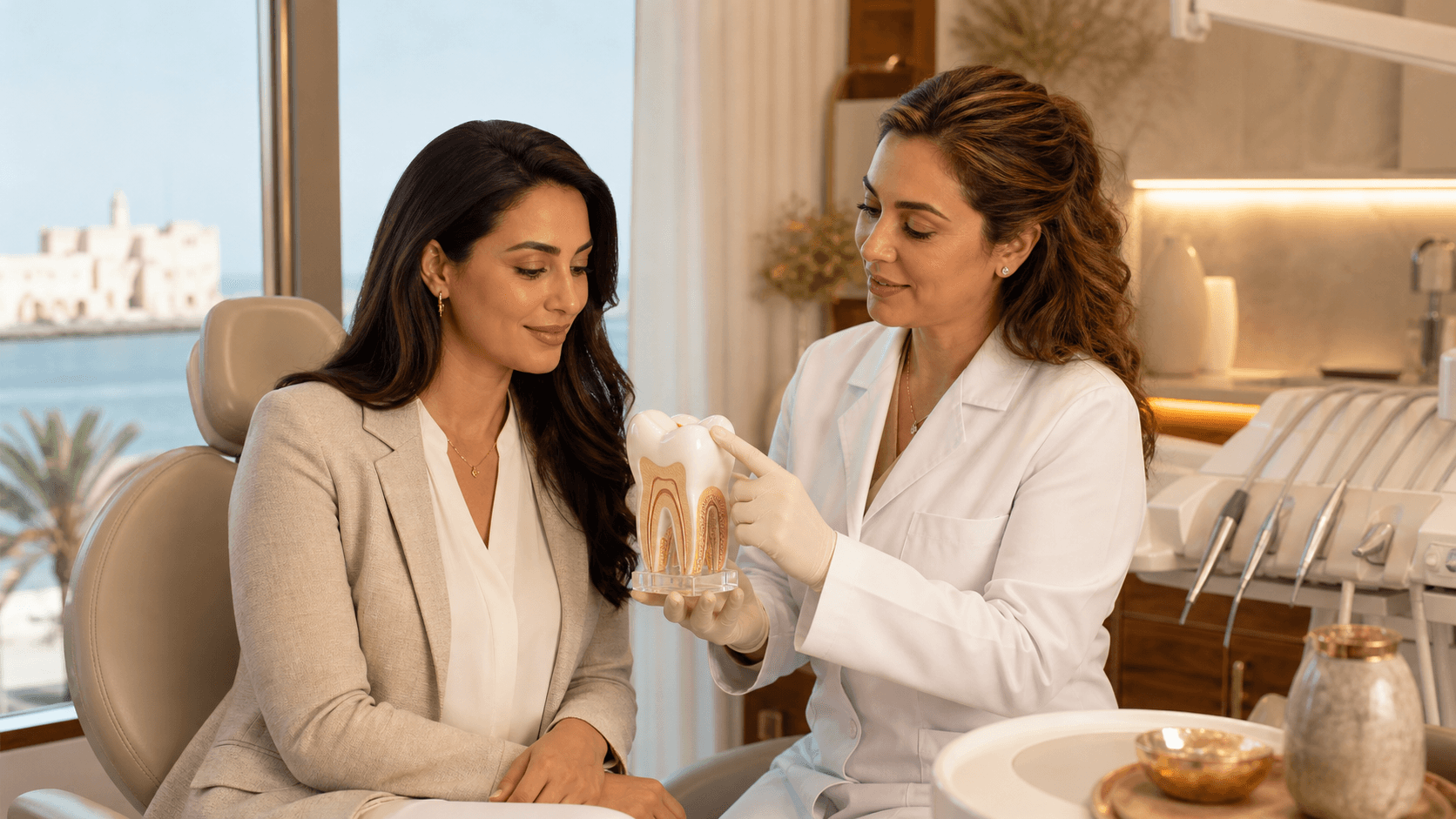
A crown may be recommended when a tooth has substantial wear or needs more coverage than a smaller restoration can provide. Think of a crown as a protective cover that fits over the visible part of the tooth. It can help restore the tooth's shape while supporting it during everyday chewing.
Some signs that a crown may be worth discussing include:
- A tooth with noticeable flattening, wear, or shortening
- A larger chip or crack that affects strength
- An older filling that no longer supports the tooth well
- Discomfort or weakness when chewing
- Repeated sensitivity that seems connected to a worn area
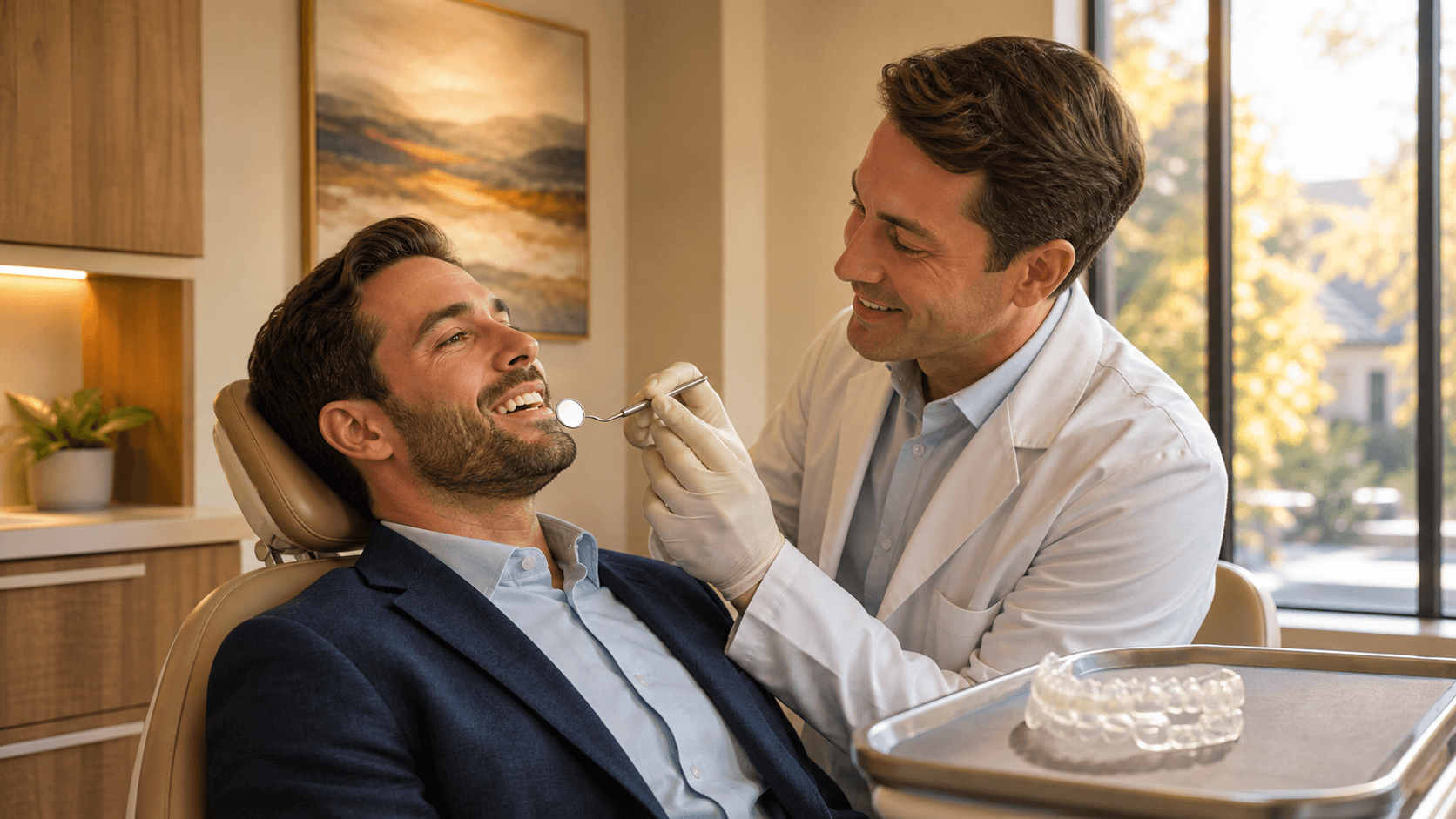
Grinding and clenching can also play a role. If nighttime pressure is contributing to tooth wear, we may discuss a custom nightguard as part of your personalized care plan. Restoring the tooth matters, but so does helping protect it from continued pressure.
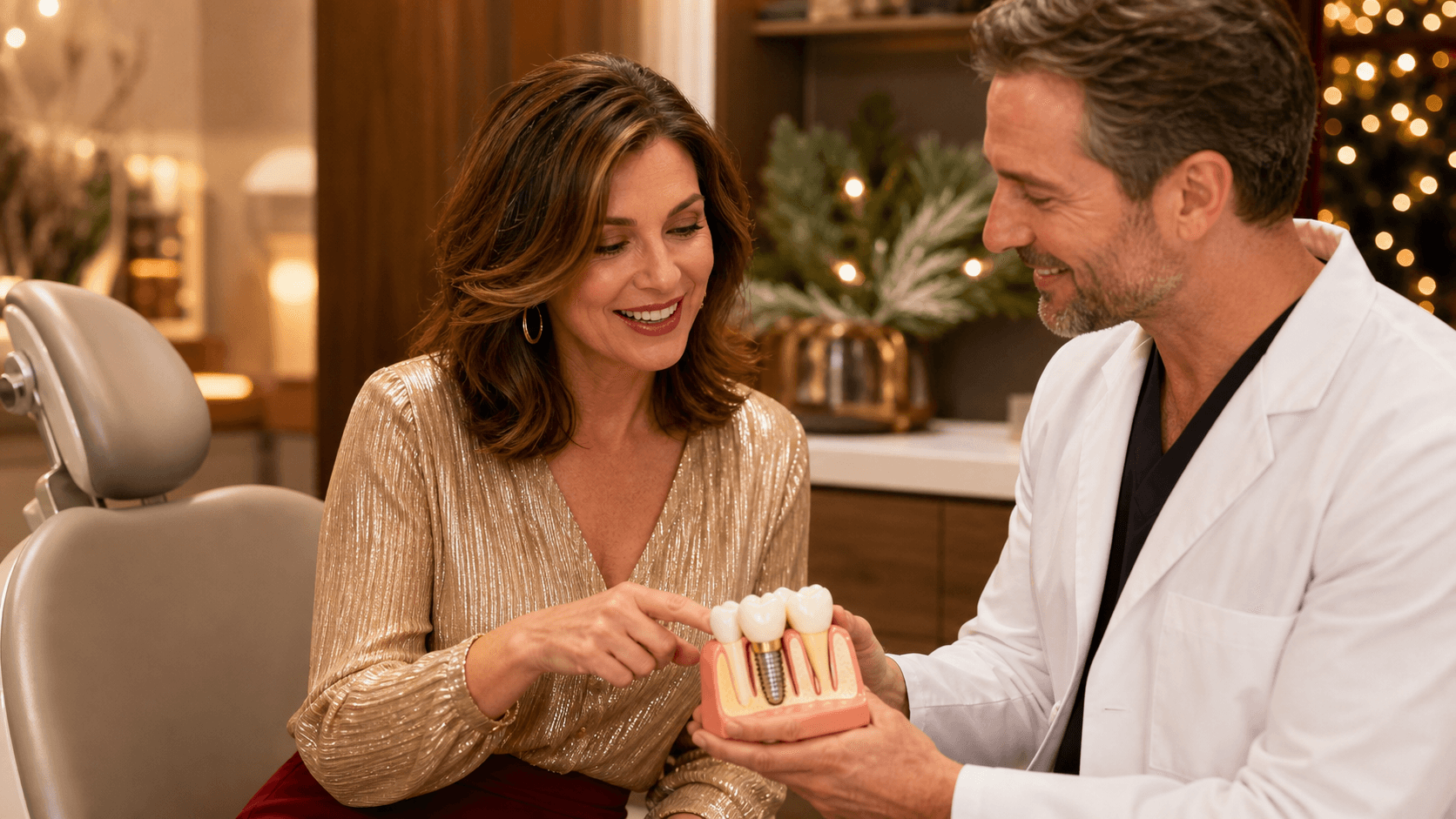
Before recommending dental crowns in Reston, VA, we review the tooth closely, discuss your symptoms, and take any needed images. You deserve to understand why a treatment is being considered, what it can help with, and what alternatives may be available.
How Crowns Can Restore Everyday Comfort
A worn tooth can make ordinary meals feel less enjoyable. Biting into an apple, eating a sandwich, or crunching a crisp fall snack may feel uncomfortable when one tooth is weak, uneven, or sensitive. A well-designed crown can restore a smoother shape and provide support for normal chewing.
Comfort is only one part of the decision. Worn teeth may look shorter, chipped, uneven, or darker than surrounding teeth. Modern crowns can be made to blend naturally with your smile, so the health needs of the tooth and your appearance goals can be discussed together. We want you to feel comfortable speaking, laughing, and smiling in photos.
Protecting a natural tooth whenever possible can also have long-term value. No dental treatment lasts forever, but a crown may help shield a worn tooth from added stress and damage that could lead to more involved care later. Regular dental visits and good home care help support the health of both the crown and the surrounding tooth.
For many people, the value of dental crowns in Reston, VA comes down to daily confidence. You should not have to keep changing how you chew or worrying about a rough edge every time your tongue touches it. We make it easy to understand what to expect, so you can make a decision that feels right for your smile.
What to Expect During a Personalized Crown Visit
Dental treatment can feel stressful, especially if you have felt rushed or unheard in the past. Our approach is different: we take time to listen first. You can share concerns about sensitivity, appearance, dental anxiety, jaw tension, or previous treatment experiences before we begin planning.
During your evaluation, we examine the worn tooth, review your symptoms, and take any images needed to understand what is happening beneath the surface. Together, we will talk about whether a crown is the best option or whether another treatment may be more appropriate.
If a crown is part of your plan, the tooth is carefully prepared so the final restoration can fit securely and comfortably. Depending on your needs, we may use precise digital scans to help create a natural-looking fit. Modern tools can make planning more accurate and the experience feel easier.
Once the final crown is ready, we check several details before securing it:
- How the crown fits against the tooth
- Whether your bite feels balanced and comfortable
- How the crown looks beside neighboring teeth
- What you can expect as your mouth adjusts
- How to care for the crown at home
Every step is designed around personalized care, not a one-size-fits-all solution. You're in good hands, and we are here to answer questions along the way.
Why Fall Can Be a Good Time to Address Tooth Wear
Autumn often brings a fuller calendar, with family gatherings, seasonal meals, travel plans, and more chances to be in photos. If a worn or sensitive tooth has been bothering you, learning about your options in the fall may help you feel more comfortable heading into the busy months ahead.
A crown may help make eating easier and smiling feel more natural, especially if you have been avoiding certain foods because of a weak tooth. An evaluation does not commit you to treatment. It simply gives you a clearer picture of what is happening and allows us to talk through options at a pace that feels comfortable.
This can also be a helpful time to review dental insurance or flexible spending benefits before the end of the year. Coverage details vary, so understanding what may be available can make treatment planning feel more manageable.
Protecting Worn Teeth Starts with Clarity
You do not need to wait for severe discomfort before bringing up a worn tooth. Small chips, rough edges, sensitivity, jaw tension, and difficulty chewing all deserve attention. A personalized exam can help determine whether a crown, a nightguard, or a more conservative solution makes sense for your needs.
The best choice is one that supports your comfort, protects as much of your natural tooth as possible, and gives you confidence in the years ahead. Paying attention to small changes now can help you make a calm, informed decision about your smile.
Personalized Protection for Your Smile
At Ridgetop Dental Group, we take time to understand your needs and explain your options with clarity and care. When you're ready to discuss dental crowns in Reston, VA, our team is here to help you move forward comfortably. With modern technology and personalized care, we'll help you choose a solution that feels right for you.