Feel Comfortable Before Your Appointment
An oral health exam is not a test you can pass or fail. It is a chance for us to listen, look closely at your smile, and help you understand what may need attention. At Ridgetop Dental Group, patient care comes first, especially if past dental visits have left you feeling nervous or unheard.
Before we begin, you can tell us about anything that would make your visit more comfortable, from a sensitive tooth to worries about dental treatment. We'll explain what we're doing and why, then create recommendations around your needs. During an oral health exam in Alexandria, VA, we look at your teeth, gums, bite, and oral tissues so you have a clearer picture of your smile.
October can be a helpful time to put oral health back on your calendar. As autumn schedules fill with travel, gatherings, and seasonal treats, a routine exam can help you feel prepared to care for your smile through the months ahead.
An Oral Health Exam in Alexandria, VA Starts with You
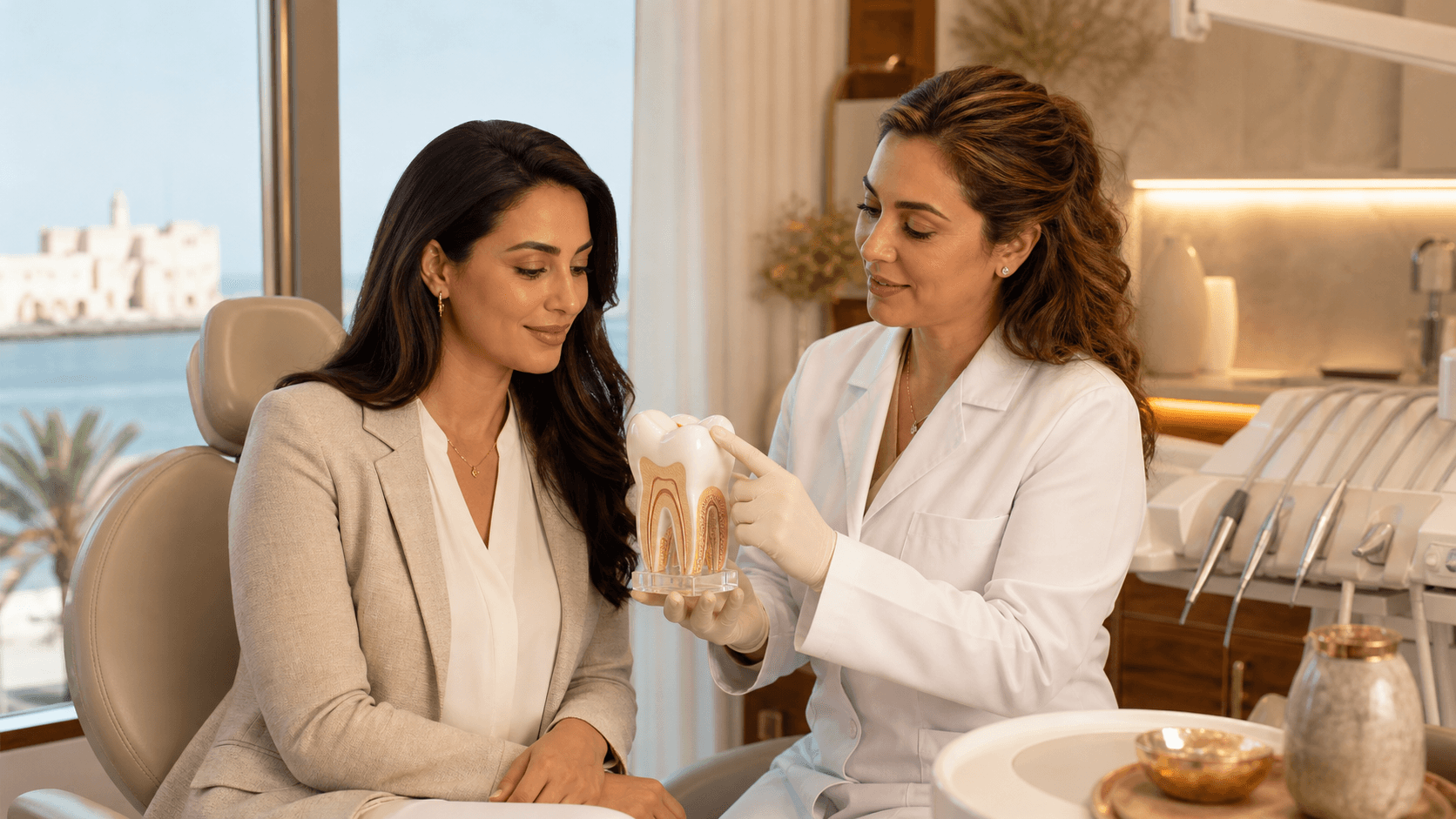
Every visit begins with a conversation. Before we examine your teeth, we want to know how you've been feeling, what has changed, and what matters most to you. Your medical history, medications, and overall health can all be part of the discussion because oral health is personal, and so is your care.
You do not need to know the right dental words or have every detail figured out before you arrive. Simply tell us what you've noticed. No judgment, only solutions.
Common concerns you may want to mention include:
- Tooth sensitivity with hot, cold, or sweet foods
- Bleeding, tender, or swollen gums
- Jaw discomfort, headaches, or a feeling of clenching
- Dry mouth or changes in chewing
- Concerns about the color, shape, or appearance of your smile
Your comfort matters just as much as the information we gather. Some people need extra time, clear explanations, or a gentle pace after difficult experiences elsewhere. We listen first, then guide you with care and clarity.
Rather than relying on a one-size-fits-all checklist, we consider your dental history, lifestyle, comfort needs, and long-term smile goals. That personalized approach helps us make recommendations that feel practical and understandable for you and your family.
We Check Teeth, Gums, and Your Bite
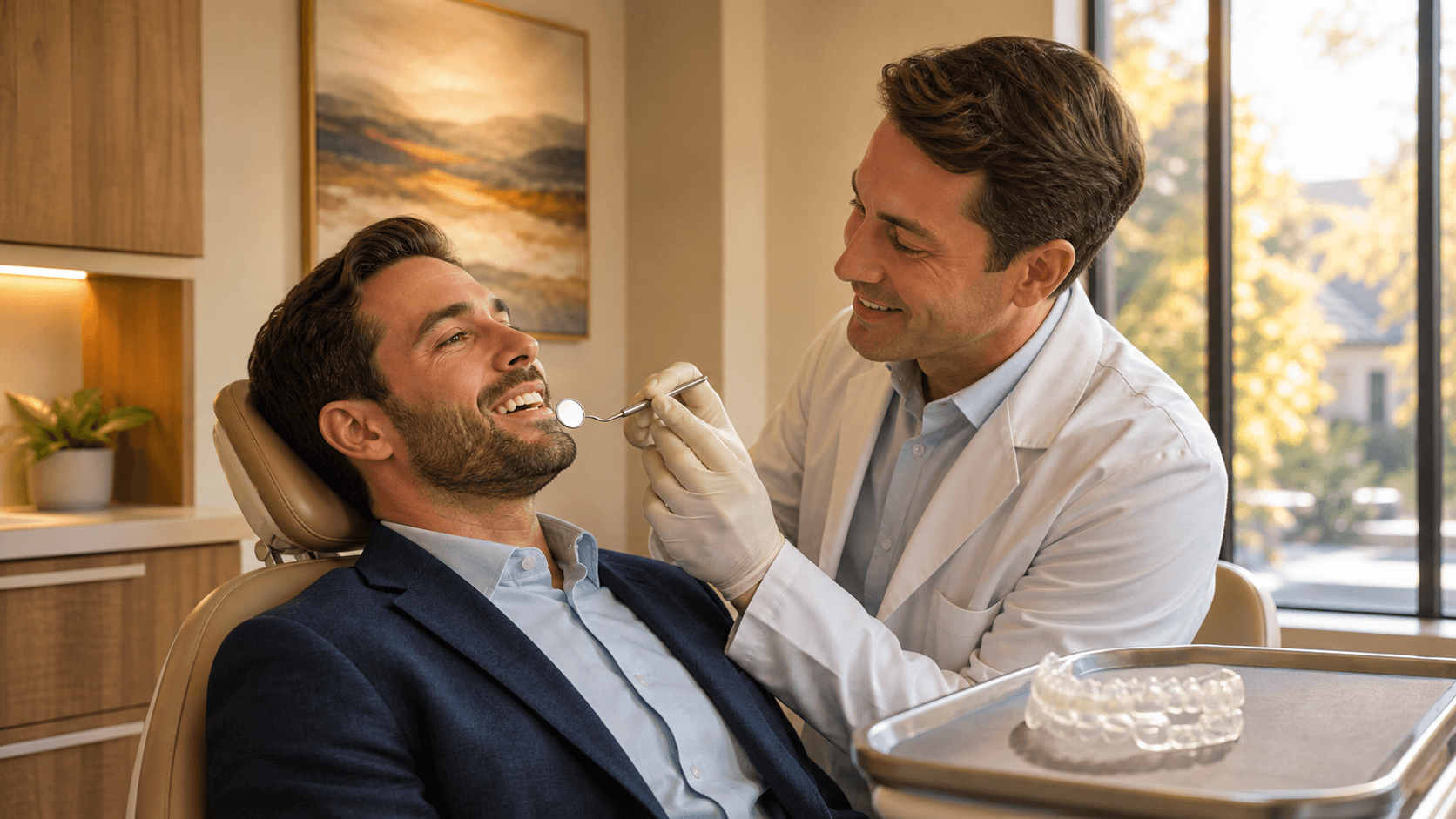
A close look at each tooth helps us spot changes that may be easy to miss at home. We check for signs of decay, worn enamel, cracks, and areas that may be holding plaque. We also look at existing fillings, crowns, and other dental work to see whether everything appears stable and comfortable.
Gum health is another important part of the exam. Healthy gums help support your teeth, so we look for tenderness, inflammation, recession, and buildup near the gumline. If we see an early concern, we'll talk with you about it in plain language. Addressing changes early can often make care feel simpler and less stressful.
Your bite, or the way your teeth come together, also tells part of the story. Uneven wear, chipped edges, or sore jaw muscles may point to grinding or clenching. When it is relevant to your concerns, we may discuss jaw discomfort, headaches, chewing changes, or other signs that your bite needs a closer look.
During this portion of the exam, we may evaluate:
- The condition of individual teeth and existing dental work
- The health and appearance of your gums
- Areas of tooth wear or possible grinding
- How your upper and lower teeth fit together
- Oral tissues that may need monitoring
The goal is not to overwhelm you with information. We help you understand what we see, what it may mean, and which steps deserve attention now versus later.
Advanced Tools Support Your Oral Health Exam in Alexandria, VA
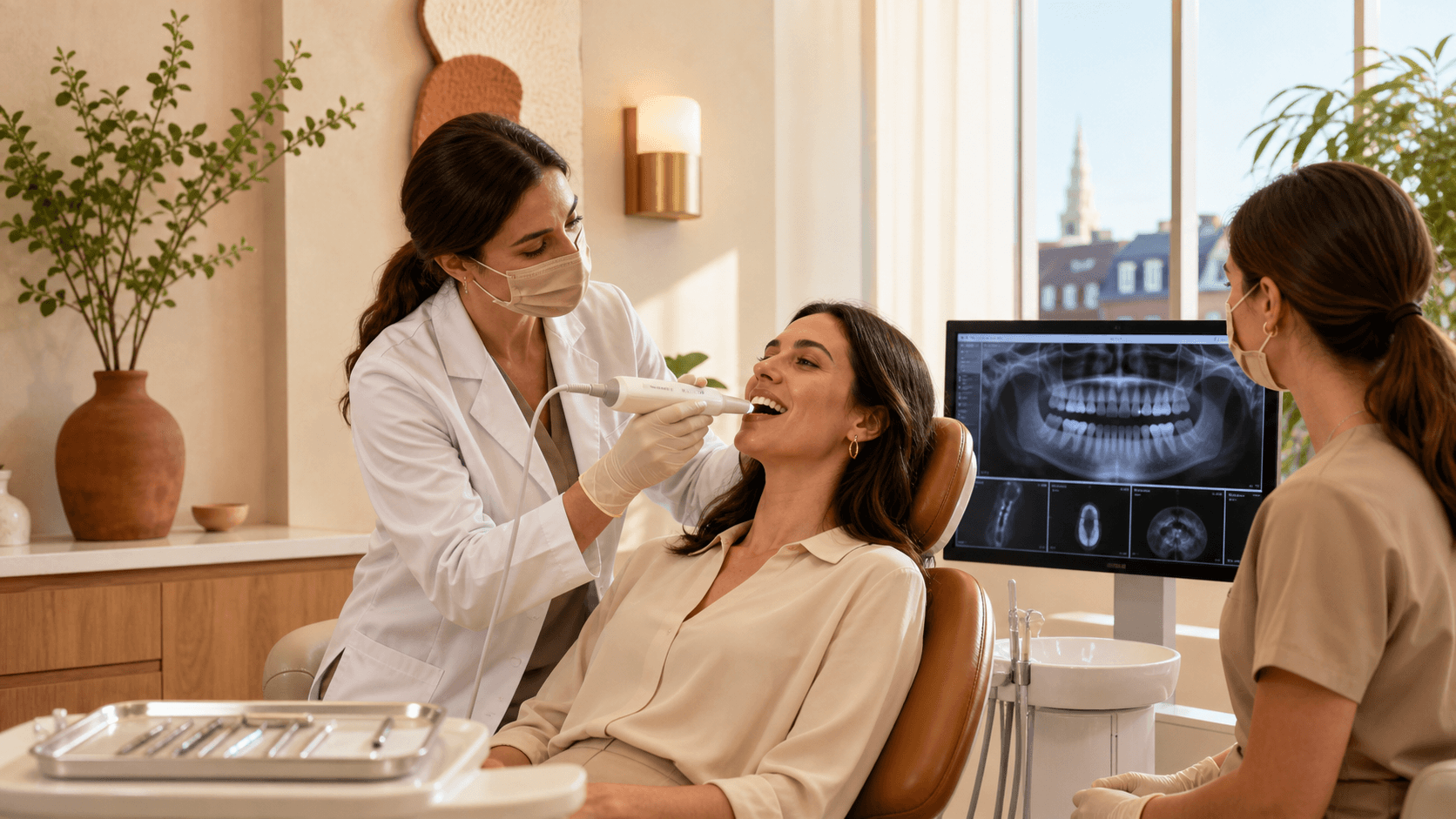
Some areas of your mouth are difficult to evaluate with a visual exam alone. When needed, we may recommend digital imaging or X-rays to help us see between teeth, below the gumline, or around existing dental work. These tools give us more information when we are deciding how to care for your smile.
Technology is most helpful when it makes communication easier. Visual tools can help you see what we see, whether we are pointing out a tooth that needs monitoring or explaining why a recommendation may be helpful. Clear images and simple explanations can take away some of the guesswork.
Still, advanced technology is only one part of a thoughtful exam. A screen cannot tell us whether you feel anxious in the dental chair, whether a tooth hurts when you chew, or what you hope to change about your smile. Those details come from listening to you.
By combining modern diagnostics with a caring conversation, we can help you make informed choices without pressure. You're in good hands when you understand your options and feel comfortable asking questions along the way.
Keep Your Smile on Track
Routine exams give us the opportunity to notice changes, talk through concerns, and build a care plan that fits your life. Whether it has been a while since your last visit or you have noticed something new, an oral health exam can bring clarity and reassurance.
A healthy smile is easier to care for when you know where things stand. Paying attention to your teeth, gums, bite, and comfort now can help you head into a busy season with more confidence and a better understanding of what your smile needs.
Feel More At Ease About Your Dental Care
At Ridgetop Dental, we make every visit comfortable, clear, and centered on your needs. Schedule an oral health exam in Alexandria, VA with our caring team, and we'll take the time to listen and explain your options. With modern dentistry and a personal touch, you're in good hands.