Feel Confident About Life with New Dental Implants
You just finished treatment with dental implants in Reston, VA, and now your big question is: what happens next? You might feel excited and a little nervous at the same time. Will they last? How do you clean them? What if something feels off? Those thoughts are very common, especially in the first few days.
We want you to know you are not alone with those questions. Dental implants heal and settle in over time, and each stage has its own goals. A clear 12-month roadmap can bring a lot of peace of mind. When you know what to expect in week 1, month 1, month 3, month 6, and month 12, it is much easier to relax and enjoy your new smile. With gentle care, helpful tools, and regular visits, you can protect your implants and feel confident every time you smile.
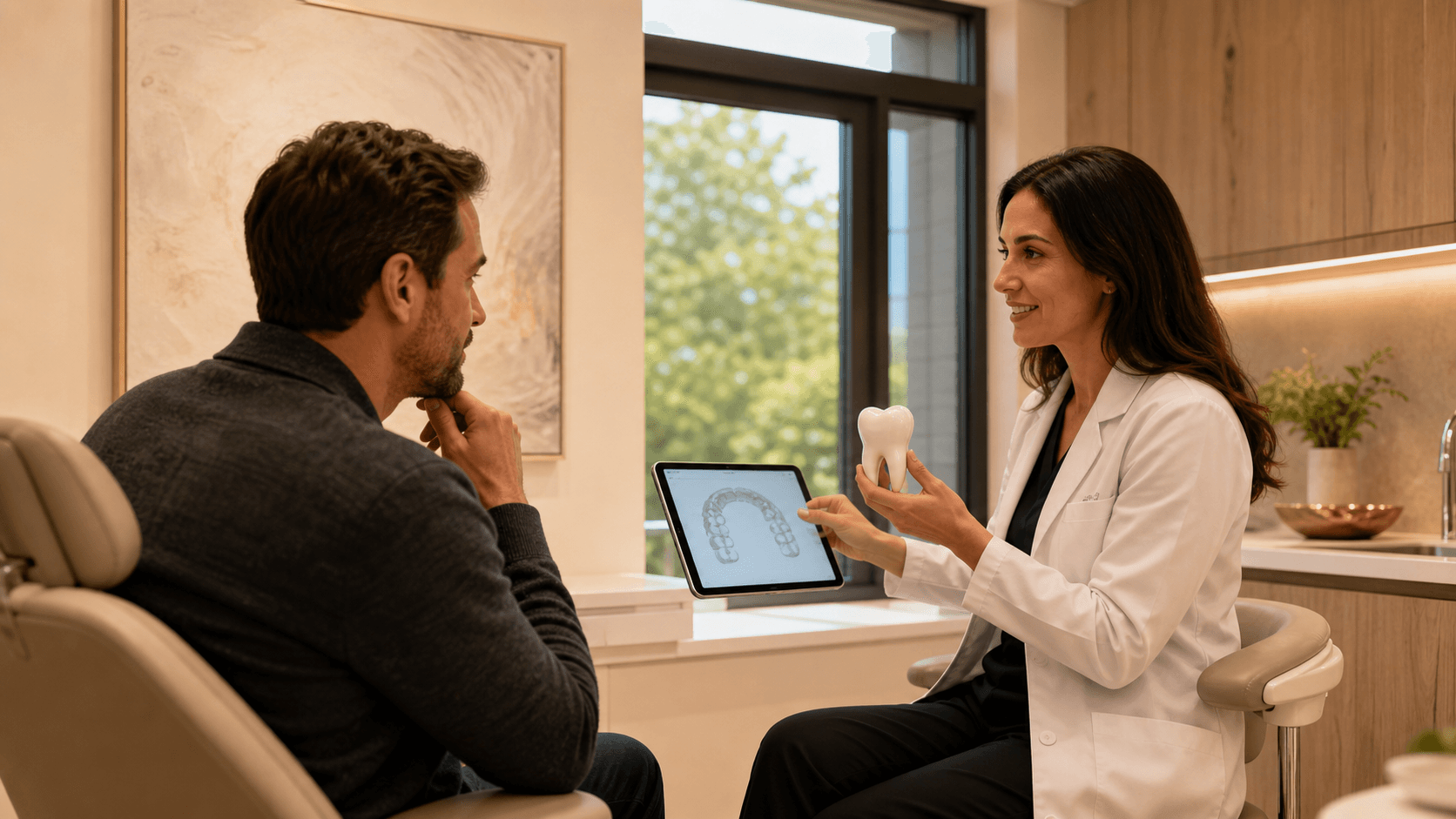
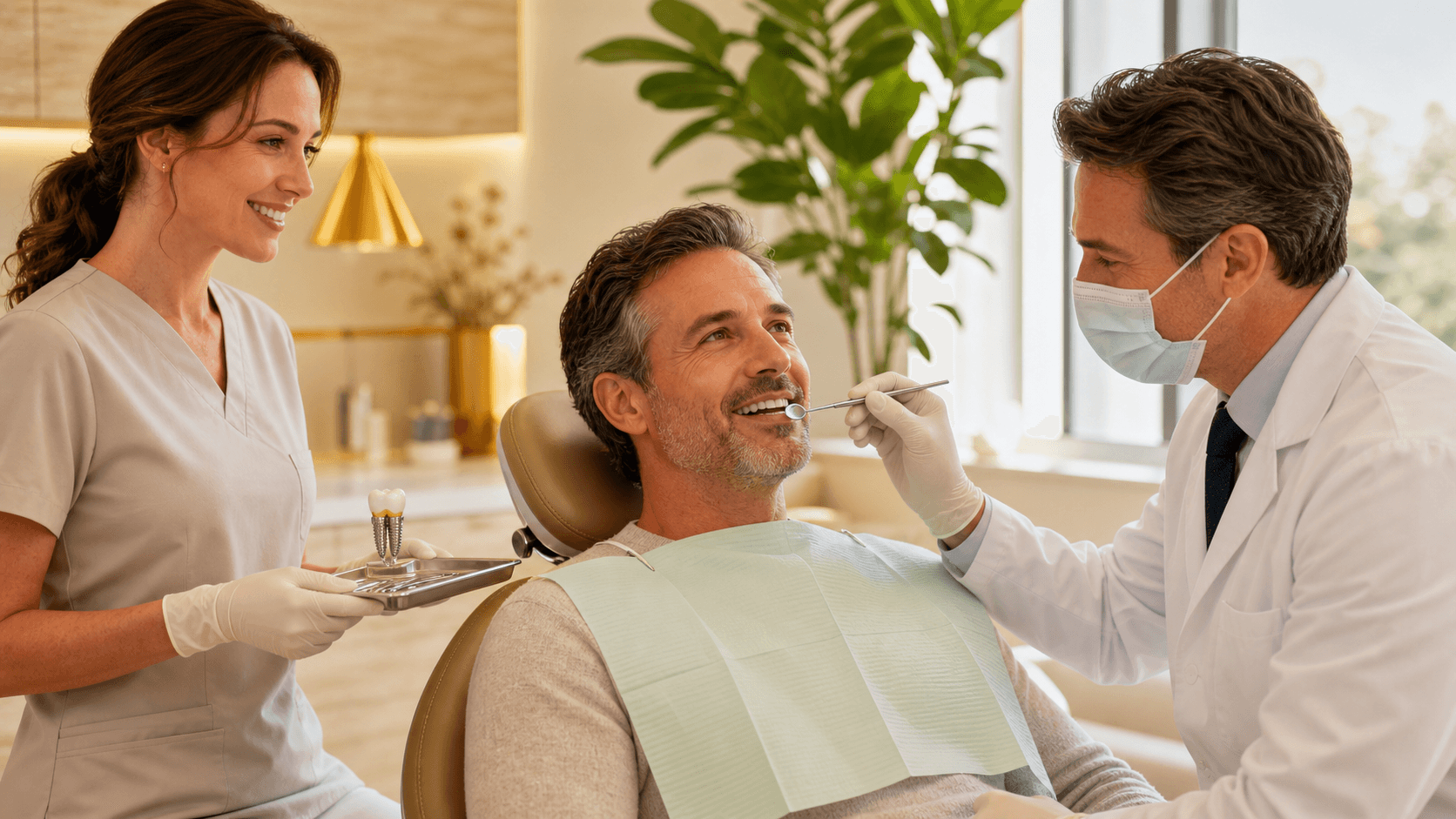
At our Reston office, patient care comes first. We use advanced technology, calm and caring visits, and a team approach that treats you like family. You are in good hands, and with the right aftercare, your implants can feel natural and worry-free for many years.
Week 1 Comfort and Healing at Home
The first week is all about comfort and gentle healing. It is normal to have:
- Mild soreness around the area
- Swelling and tenderness in the gums or cheek
- Minor oozing or spotting on your gauze
These usually improve a little each day. The goal is steady progress. If pain suddenly gets worse after it was getting better, that is not typical and is a reason to call.
Your home care should be soft and simple. Think of the area like a healing bruise you want to protect.
- Brush the rest of your teeth as normal, but be very gentle near the implant site.
- Use a soft toothbrush and avoid scrubbing the stitches.
- Rinse gently with the products your dentist recommends, not harsh mouthwashes with a strong burn.
- Do not smoke, chew ice, or eat hard, crunchy, or sticky foods near the area.
- Avoid poking the site with fingers, toothpicks, or other tools.
For comfort, many people feel better with:
- Prescribed or over-the-counter pain relief as directed
- Short periods of a cold compress on the cheek
- Extra rest and keeping the head slightly raised while sleeping
Call right away if you notice any of these early warning signs:
- Pain that gets stronger after day 3 instead of fading
- Heavy bleeding that does not slow down
- Fever or feeling very unwell
- A strong bad taste or smell that will not go away
There is no judgment, only solutions. If anything feels "off," we would rather you ask and feel safe.
One-Month Checkup and Gentle Cleaning Habits
By the one-month mark, a lot of the healing work is happening quietly under the surface. The implant is starting to fuse with the bone, and the gums are settling around it. You may feel less aware of the area, though it can still be a bit tender.
At your first follow-up visit, we usually:
- Check how the gums are healing
- Look at the stitches or healed sites
- Make sure your bite feels comfortable
- Ask how you are doing at home and answer questions
This is modern dentistry with a personal touch, not a rushed or stressful visit. Our goal is for you to leave feeling calmer than when you walked in.
This is also the time to build your daily cleaning routine around your implant. Gentle habits now protect your long-term results later.
- Use a soft-bristled toothbrush and gentle pressure.
- Choose non-abrasive toothpaste without harsh "whitening grit."
- Floss carefully between teeth, or use floss tools recommended by your dentist.
- Take your time around the implant, cleaning well but not scrubbing hard.
Watch for subtle warning signs that things are not quite right:
- Gums that stay puffy or reddish around the implant
- Ongoing tenderness that never seems to settle
- Bleeding every time you brush or floss that area
Do not feel that you have to wait and see alone. This is exactly the stage when a quick visit can keep everything on track and easy to manage.
Three-Month Milestone and Your First Professional Clean
Around three months, many people start to forget which tooth is the implant. Eating feels more natural, and it is easier to relax when talking, laughing, or smiling in photos. With steady home care and follow-up visits, this is the "settling in" stage.
Your three-month visit usually includes:
- A gentle professional cleaning around the implant and nearby teeth
- A close look at the gums to be sure they are healthy and snug
- A review of your home care tools and technique
- Advanced imaging if needed, to spot tiny changes early
We often fine-tune your cleaning tools at this visit. Some helpful options include:
- Interdental brushes designed for use around implants, to clean the small spaces the toothbrush misses
- Water flossers for easy, gentle cleaning under and around the implant crown
- Antimicrobial rinses if your dentist feels they will support gum health
Each of these tools helps keep the area clean, your breath fresh, and the tissues around the implant healthy. When you find a routine that feels simple and comfortable, it is much easier to stick with it.
Six- and Twelve-Month Visits for Long-Term Confidence
By month six, the goal is to treat your implant much like a natural tooth. Your visit at this stage is like a wellness check for your smile. We focus on keeping things healthy, not just fixing problems.
At a six-month visit, we typically:
- Provide a professional cleaning for all teeth and around the implant
- Check your bite alignment to be sure the implant is not taking too much pressure
- Ask about any sensitivity, clicking, or tightness
- Make small adjustments if needed to keep chewing smooth and comfortable
At month twelve, we like to think of it as a one-year celebration. Many people share that they no longer think about the space where a tooth used to be. Eating feels normal, and smiling feels easy. With regular cleanings and steady home care, dental implants in Reston, VA can be a long-term, confidence-boosting part of your life.
After the first year, most people do well with twice-yearly cleanings and exams, just like natural teeth. Still, it is important to know when to come in sooner. Red flags to watch for include:
- Gums that look red, shiny, or seem to pull away from the implant
- A feeling that the implant crown is loose or "wiggly"
- Persistent bad breath or bad taste near that area
- New discomfort when you chew on that side
When you come in early, small issues often stay simple to fix. Patient care comes first, and we make it easy to stay on track.
Your First Year Guide to Dental Implants in Reston, VA
Your first year with dental implants follows a clear path: week 1 comfort and gentle healing, month 1 daily habits, month 3 professional cleaning and tools, month 6 wellness check, and month 12 celebration. When you walk through these stages with a trusted team at your side, implants can feel strong, natural, and worry-free.
If you feel nervous because of past dental experiences or time away from care, you are exactly the kind of person we love to help. At Ridgetop Dental, our Reston team focuses on modern dentistry with a personal touch, advanced technology, and a warm, nonjudgmental approach. You are in good hands, welcome as you are, and we are here to help you smile with confidence all year long.
Restore Your Confident Smile With Personalized Implant Care
If you are ready to replace missing teeth with a long-lasting solution, our team at Ridgetop Dental is here to help. We will carefully evaluate your needs, explain your options, and guide you through every step of getting dental implants in Reston, VA. Schedule a consultation today so we can create a treatment plan tailored to your smile, comfort, and goals.