Protect the Dental Work That Keeps You Smiling
Crowns, fillings, bridges, dental implants, and veneers all have an important job. They help you enjoy meals, speak clearly, and smile with confidence every day. Like natural teeth, though, dental work needs regular attention to stay comfortable and dependable over time.
Many adults have restorations that were completed years ago and may not know when they need a closer look. That's completely understandable. With preventive dental care in Alexandria, VA, we can monitor both your dental work and the healthy teeth and gums around it, with no judgment, only solutions.
Why Older Restorations Need Ongoing Attention
Even well-made dental restorations can change with daily use. Chewing, clenching, natural wear, plaque buildup, and small bite changes can place stress on crowns, fillings, bridges, veneers, and implant restorations. Often, those changes begin quietly.
A restoration may still feel fine even when a small concern is developing near its edge. For example, a worn filling, a tiny crack, or decay around a crown may not cause discomfort right away. Regular exams give us a chance to notice these changes early, when care may be simpler and more comfortable.
Gum health matters, too. Think of your gums and supporting bone as the foundation around a home. A strong foundation helps support what sits above it. Healthy gums and bone help protect natural teeth, bridges, and dental implants for the long term.
During your visits, we may look for changes such as:
- Wear along the edges of crowns, veneers, or fillings
- Areas where a bridge or crown no longer fits as closely
- Gum irritation or buildup near dental work
- Changes around implant-supported teeth
- Signs that your bite or grinding habits are placing extra pressure on restorations
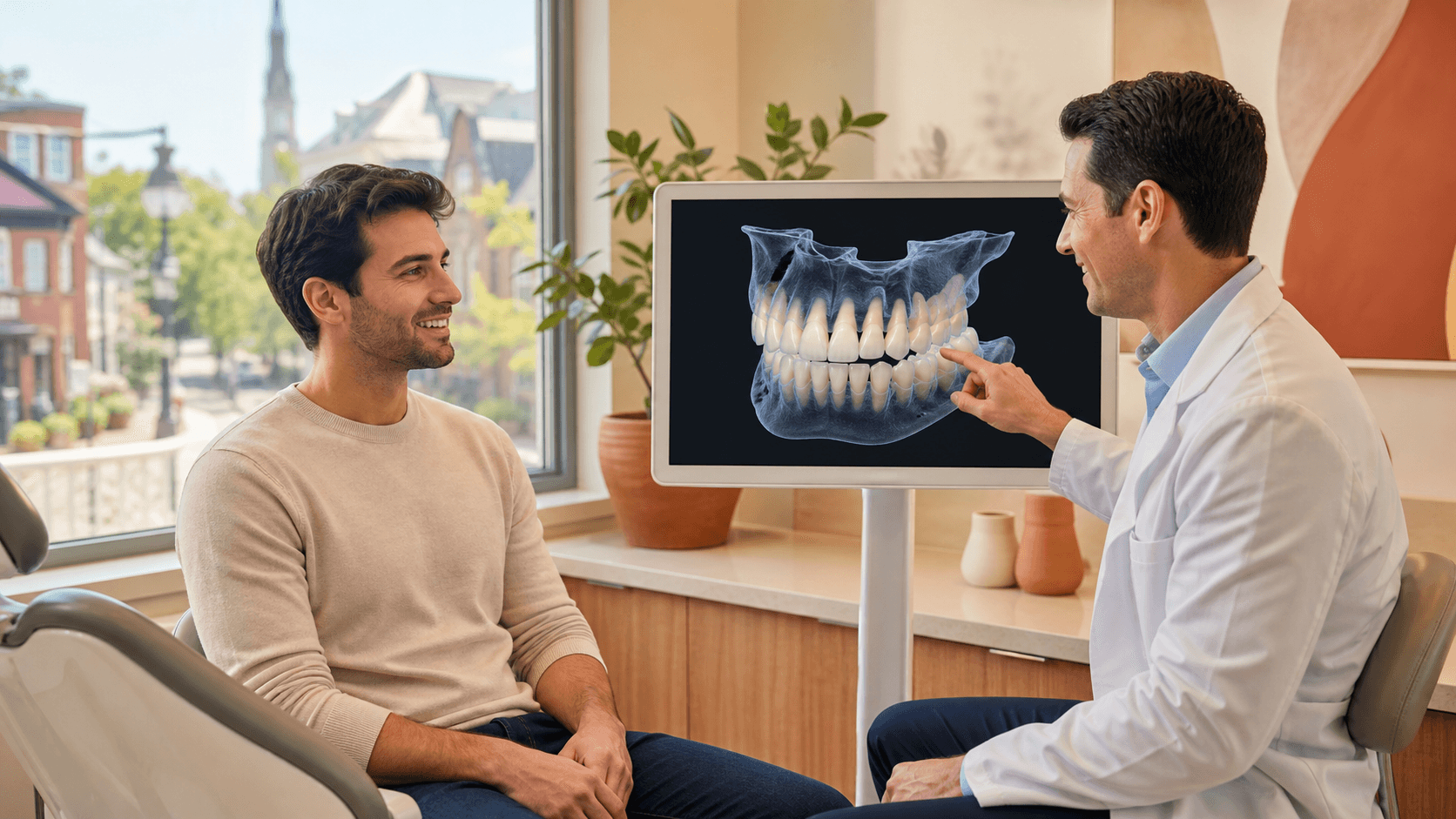
With modern imaging and diagnostic tools, we can look beneath and around existing dental work with greater precision. Our goal is never to create worry. We want to protect the care you've already invested in and help your smile continue to feel like your own.
Daily Habits That Support Lasting Results
The small things you do at home can make a real difference. You do not need a complicated routine. A few consistent habits can help keep the areas around your restorations cleaner and healthier between visits.
We generally recommend brushing twice a day with a soft-bristled toothbrush and fluoride toothpaste. Take a little extra time around the gumline and where your crown, bridge, filling, or veneer meets your natural tooth. Gentle, thorough cleaning is more helpful than brushing hard.
Cleaning between your teeth each day is just as important. The best option can depend on the type of dental work you have. A bridge or implant-supported tooth may need a different approach than a single filling or crown. During a visit, we can show you techniques that fit your unique smile and feel manageable at home.
Helpful habits include:
- Flossing, using interdental brushes, or using a water flosser as recommended for your needs
- Avoiding ice, hard candy, and non-food objects that can put pressure on dental work
- Not using your teeth to open packages or hold items
- Wearing a custom nightguard if you clench or grind your teeth
- Mentioning any new sensitivity, rough edges, or changes in how your teeth come together
A crown or bridge should feel like part of your smile, not something you have to worry about every day. When something starts to feel different, even in a small way, it is worth mentioning at your next preventive visit.
Professional Visits Catch Changes Early
A preventive appointment is about more than a cleaning. It gives us time to look at how your whole smile is functioning, including your teeth, gums, bite, and existing restorations. We listen first, answer questions clearly, and help you understand what we see without pressure.
Professional cleanings remove hardened buildup that brushing and flossing cannot fully remove at home. This helps support gum health and keeps the edges around restorations cleaner. During an exam, we can also check whether crowns, bridges, fillings, veneers, and implant restorations still fit and function as intended.
Digital X-rays and other advanced technology can help reveal changes that may not be visible during a regular look in the mouth. Depending on your needs, we may look for early decay around a restoration, bone changes near an implant, hidden cracks, or concerns beneath an older filling.
For anyone who has had disappointing dental experiences in the past, we understand that returning for care can feel stressful. We make the process easier by explaining each step and focusing on your comfort. Patient care comes first, and personalized care means your plan should make sense for you.
Make Time for Your Smile Before the Holidays
Autumn can be a helpful time to check in on older dental work. Holiday meals, travel plans, family photos, and busy calendars often fill up quickly. A preventive visit before the season gets too full can help you feel more confident about your smile.
It may also be a good time to review any remaining dental insurance benefits or flexible spending account funds, based on your individual plan. If we notice a small change around an older crown, filling, bridge, veneer, or implant, addressing it early may help you avoid an unexpected concern during a busy time of year.
We serve families throughout Northern Virginia, including Alexandria, Reston, and Sterling, so care can feel close to home and easier to keep up with. Regular preventive visits are one of the simplest ways to protect the dental work that supports your daily comfort.
Give Your Smile the Care It Deserves
Older dental work can continue serving you well when it receives steady care at home and thoughtful attention during regular checkups. Preventive dental care in Alexandria, VA helps us watch for small changes while supporting healthier teeth and gums around every restoration.
A comfortable, confident smile is built on simple routines, open communication, and timely professional care. Paying attention now can help your crowns, fillings, bridges, veneers, and implants keep doing the work they were designed to do.
Support Your Smile for the Long Term
At Ridgetop Dental Group, we make it easy to take the next step with personalized, gentle care. Schedule preventive dental care in Alexandria, VA with our team for a visit focused on your comfort and your goals. We'll listen, answer your questions, and help you feel confident about your dental care.