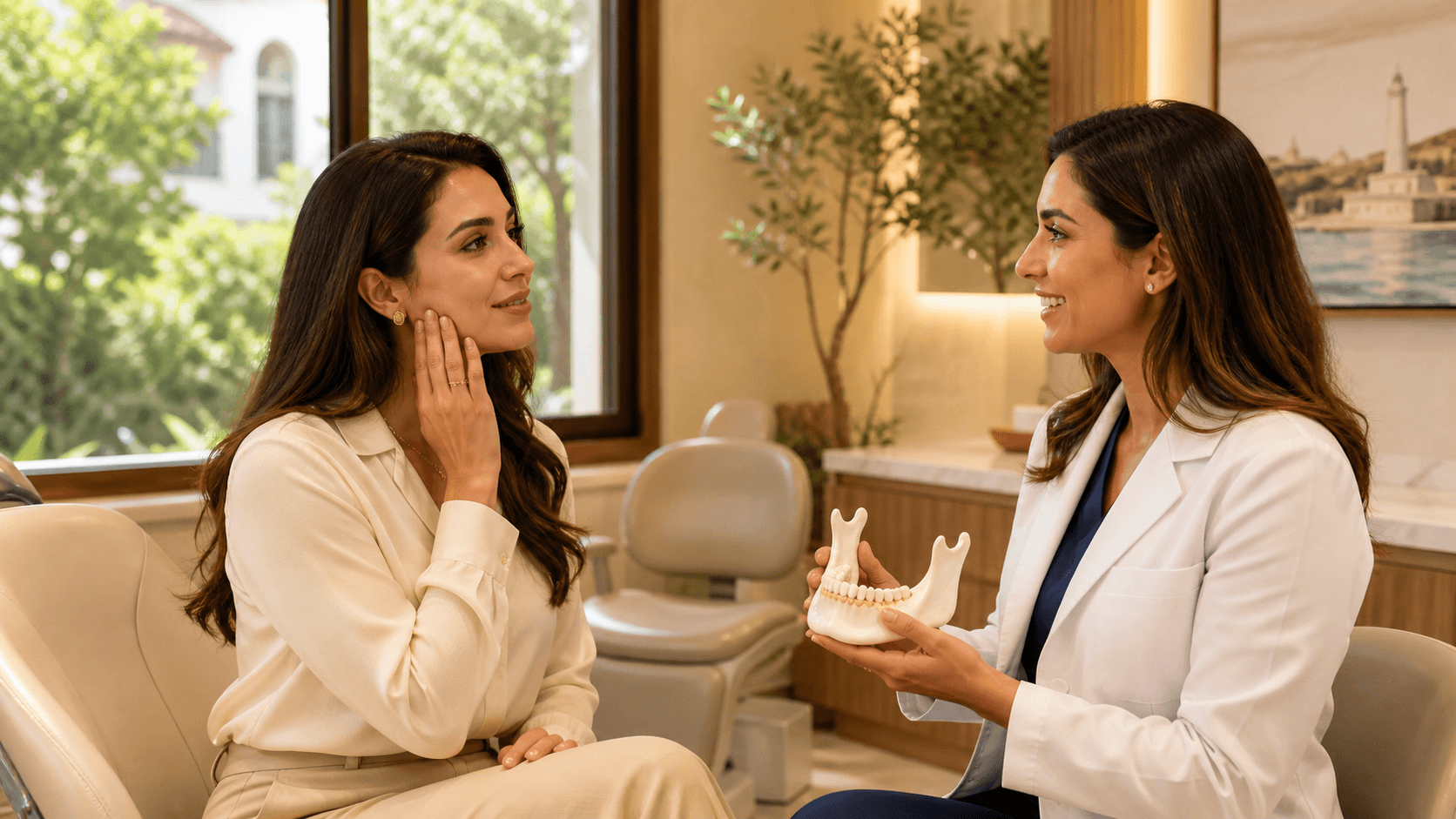
Wake Up with Less Jaw Pain and More Comfort
Morning jaw pain can make the start of your day feel harder than it should. You may wake with a sore jaw, tight facial muscles, tenderness near your ears, or a headache that seems to linger while you get ready for the day. When discomfort affects your sleep, eating, speaking, or general comfort, it deserves thoughtful attention.
Sometimes people assume they simply slept in an awkward position. Yet when soreness keeps coming back, it may be connected to nighttime clenching, teeth grinding, or strain in the jaw joints. At Ridgetop Dental Group, patient care comes first. We listen closely, look at the full picture, and help you understand whether TMJ treatment in Alexandria, VA may be a comfortable next step.
Why Morning Jaw Pain Can Feel Worse
Your jaw muscles can work hard while you are asleep, even when you have no idea it is happening. Clenching or grinding for hours may leave the muscles feeling tired and sore by morning. Stress, interrupted sleep, a bite that does not come together comfortably, and tension held during the day can all play a part in nighttime jaw activity.
Jaw discomfort does not always feel the same from one person to the next. Along with soreness, we may hear patients describe:
- Tightness in the cheeks or face
- Headaches near the temples
- Tenderness around the ears
- Tooth sensitivity or visible tooth wear
- Clicking, popping, or tiredness when chewing
These signs do not automatically mean you have a TMJ concern. Jaw pain can come from several sources, which is why it is best not to self-diagnose or rely only on temporary comfort measures when symptoms keep returning.
A prompt evaluation is especially important if pain is sudden or severe, or if you notice swelling, fever, an injury, or trouble opening and closing your mouth. Those symptoms may need timely attention. For recurring morning soreness, a careful dental visit can help us look for patterns and discuss what may be contributing to your discomfort.
TMJ Treatment in Alexandria, VA Starts with Answers
A helpful TMJ evaluation is not about making quick assumptions. It starts with your experience. We may ask when the discomfort began, whether it is worse in the morning, how you are sleeping, whether you notice daytime clenching, and how your jaw feels when you chew or talk.
During your visit, our team may review your health history, jaw movement, bite, tooth wear, and areas of muscle tenderness. Modern dental technology and diagnostic tools can also support a more complete assessment when they are appropriate. The goal is to understand whether your symptoms may be linked to grinding, clenching, bite concerns, muscle strain, or another issue that needs attention.
TMJ treatment in Alexandria, VA should never feel like a one-size-fits-all answer. Depending on what we find, we may discuss options such as:
- A custom oral appliance to help protect teeth from grinding
- Guidance for noticing and reducing daytime jaw tension
- Gentle comfort strategies that fit your care plan
- Restorative dental care when worn or damaged teeth need support
- Coordination with another healthcare provider when appropriate
Clear explanations matter. We want you to understand what we see, why we are making a recommendation, and how each option may support your comfort and oral health.
A Personalized Plan Can Support Lasting Comfort
The right plan depends on your symptoms, dental health, habits, and everyday routine. Some people mainly need help protecting their teeth during sleep. Others may benefit from a broader approach that addresses jaw strain, worn teeth, or patterns of clenching throughout the day.
For many patients, a custom-fitted nightguard or oral appliance may be part of care. Unlike a generic option, a custom appliance is made to fit your smile and can be adjusted as needed. We may also recommend follow-up visits to see how your jaw feels over time and whether your plan needs to change.
Addressing jaw strain can be part of protecting your whole smile. Grinding may place extra pressure on natural teeth and dental restorations, while ongoing muscle tension can make everyday chewing less comfortable. Our approach is centered on practical, personalized care, with recommendations explained in plain language and no judgment, only solutions.
Comfort does not always change overnight, and results can vary based on the cause of the discomfort and your individual needs. Still, understanding what is happening is often a meaningful first step. With consistent monitoring and a plan designed around you, we can help you work toward easier mornings and greater confidence in your dental care.
Fall Is a Smart Time to Notice Jaw Pain Patterns
Late October often brings fuller calendars. Holiday planning, travel, year-end work demands, and changes in routine can add stress to daily life. For some people, that stress may show up as more jaw tension, nighttime clenching, or headaches that feel more noticeable after waking.
This season can be a useful time to pay attention to patterns without trying to guess the cause on your own. Before a dental visit, it may help to notice details such as:
- Whether soreness is strongest when you wake up
- How often headaches or facial tightness occur
- Whether your jaw feels tired after meals
- If certain foods make chewing uncomfortable
- Whether a partner has noticed grinding sounds during sleep
Small details can help us better understand what you are experiencing. If you have dental insurance, you may also wish to review any remaining benefits with your plan provider before year-end. Still, your comfort and personalized care should remain the focus, not a deadline.
Take the Next Step Toward Easier Mornings
Recurring jaw soreness is not something you have to simply accept as part of getting older or having a busy life. At Ridgetop Dental Group, we listen without judgment, explain what we find clearly, and focus on solutions that fit your needs. You are in good hands when you need thoughtful TMJ treatment in Alexandria, VA.
If you are waking with jaw pain, headaches, tooth sensitivity, or signs of grinding, paying attention to those symptoms can make a real difference. A careful evaluation can help identify contributing factors and create a clearer path toward more comfortable mornings.
Find Relief With Personalized TMJ Care
At Ridgetop Dental Group, we take time to listen, explain your options clearly, and create care around your comfort. Learn how TMJ treatment in Alexandria, VA can support a more relaxed jaw and a better start to your day. Our caring team is here to help you move forward with confidence.