Feel Comfortable Knowing What to Expect After a Filling
Walking out of the dental office after a filling, many people think the same thing: "Is this normal?" Maybe your tooth feels a little sore, your bite feels a bit different, or you're worried every twinge means something is wrong. It's easy for your mind to run through every worst-case scenario when all you really want is to get back to eating and smiling comfortably.
Most of what you feel after a filling is your tooth and gums adjusting; it's not a sign of trouble. With modern, gentle fillings and careful techniques, healing is usually smooth, and any concerns are often simple to solve. Knowing what's normal can remove a lot of fear.
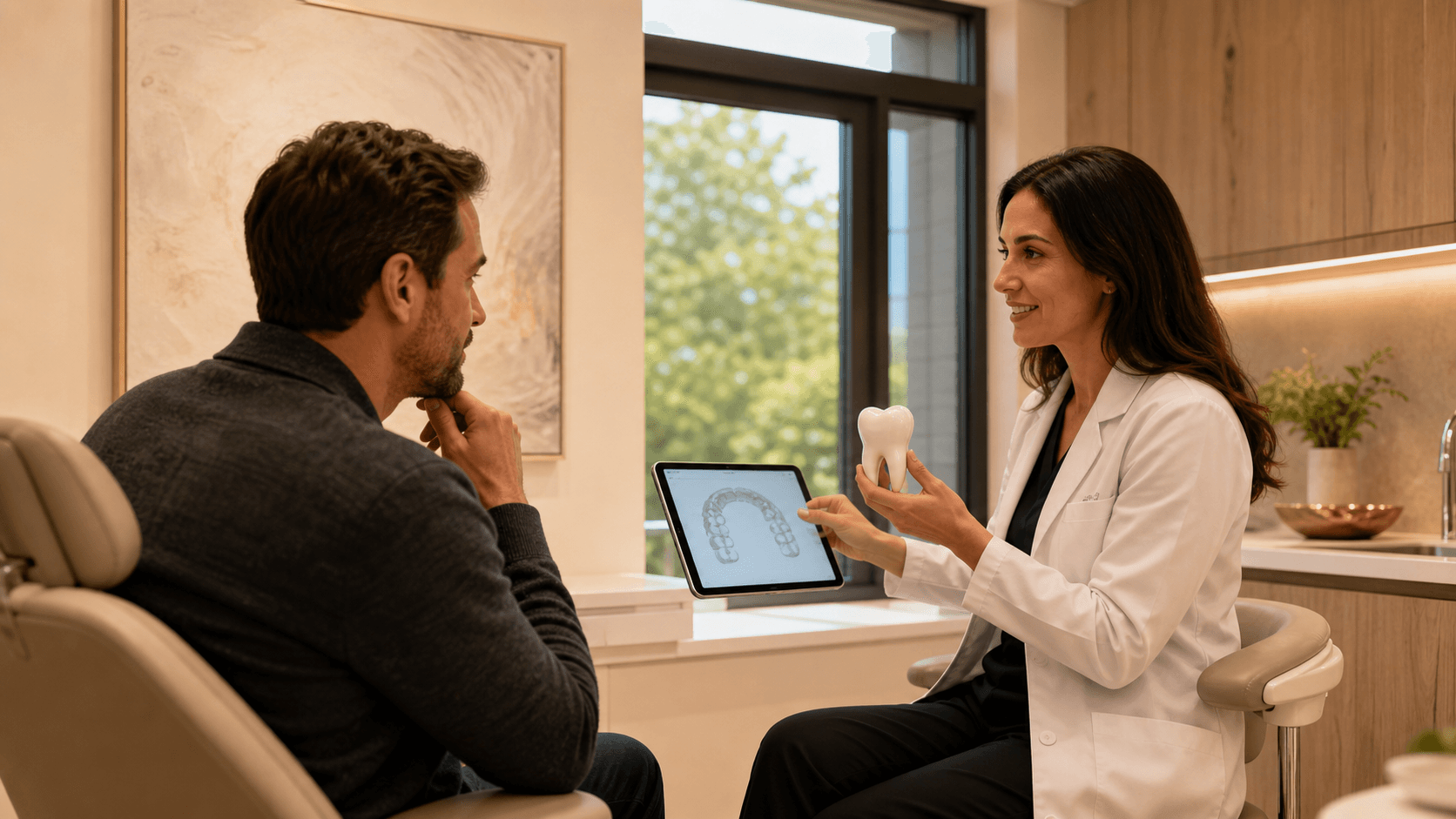
At our Alexandria office, we see many nervous patients who feel much calmer once we explain what to expect. One patient came in worried that a little cold sensitivity meant the filling wasn't working properly. After we talked through what normal healing feels like and checked the bite, they left relieved, comfortable, and confident about their smile again.
This guide will walk you through what's usually normal after a filling, what's not, and when it's time to call your Alexandria dentist, so you can feel more relaxed every step of the way.
The First 24 Hours: What Normal Healing Feels Like
Right after a filling, your mouth has a lot to say. You might notice several new sensations in the first day, and most of them are very common.
Typical things you may feel include:
- Numbness that takes a few hours to fade
- Mild soreness around the tooth or gums
- Tenderness when you bite down
- Sensitivity to hot or cold drinks
Numbness from the anesthetic is usually the first thing you notice. While you're still numb, it can be easy to bite your cheek or tongue without feeling it. That's why we suggest:
- Avoid chewing on the filled side until all feeling fully returns
- Choose softer foods at first, such as yogurt, eggs, or pasta
- Take small sips and bites so you can stay in control
Once the numbness wears off, a little ache or pressure around the tooth is very common. Your tooth has just been cleaned out and filled, so it needs a little time to settle. Gentle brushing is important, even if the area is a bit sore. If your dentist recommended warm salt water rinses, these can help your gums feel calmer.
Advanced techniques and materials often mean a more precise fit and a smoother recovery. Our goal is always to combine advanced technology with gentle, personalized care so you feel as comfortable as possible. That said, your comfort is what matters most. Mild, manageable soreness is expected, but the following are not typical and should be checked:
- Sharp or intense pain that makes you stop what you're doing
- Pain that keeps you from sleeping
- Pain that doesn't ease at all with over-the-counter medications
The First Week: Bite, Sensitivity, and Everyday Eating
As you move into days 2 through 7, you should notice small improvements. The new filling is becoming part of your normal bite, and your tooth should slowly feel less sensitive.
During this time, it's still normal to notice:
- Mild sensitivity to hot or cold that fades quickly
- A slight "awareness" of the new filling when you bite
- Occasional quick twinges that come and go
- Light soreness if you chew something harder than usual
To keep this week easier and more comfortable, try:
- Chewing slowly and testing your bite with softer foods first
- Avoiding very sticky treats that can tug on a new filling
- Using a soft-bristled toothbrush around the area
- Switching to a non-whitening toothpaste if cold sensitivity bothers you
One common reason for lingering soreness is a filling that's just a little too high. Even a tiny extra bump can make one tooth take more pressure than the others when you bite down. That can leave the tooth feeling bruised or achy, especially when chewing.
The good news is that a high spot is usually very simple to adjust. A quick visit for a gentle bite check and smoothing often brings almost instant relief. You should never feel like you have to just "put up with it." In your trusted dental home, you're always encouraged to say, "My bite feels off," and have it checked.
When It's Not Normal: Red Flags You Shouldn't Ignore
So what crosses the line from normal healing to "time to call the dentist"? It helps to listen to both your tooth and your gut.
Signs that deserve a closer look include:
- Pain that is sharp, throbbing, or getting worse over several days
- Pain that wakes you up at night or needs constant pain relievers
- Swelling, warmth, or a pimple-like bump on the gums near the tooth
- Pain when you tap lightly on the tooth
- Ongoing trouble closing your teeth together comfortably after several days
If you notice any of these, it doesn't mean you did something wrong. Teeth are living structures, and sometimes they need more support. The filling may need a small adjustment, or the tooth may need extra care on the inside.
Our approach is simple: no judgment, only solutions. When someone comes in worried, our focus is on easing discomfort and finding answers. With tools like digital imaging, advanced diagnostics, and precise bite checks, we can usually see what's going on and talk through a plan that fits your needs and comfort level.
If you're unsure whether what you feel is normal, it's always better to ask. Worrying at home is never as helpful as a quick professional opinion.
How Your Alexandria Dentist Can Help You Heal Comfortably
If you come back after a filling because something doesn't feel right, the visit is usually relaxed and very focused on your comfort.
You can expect:
- A calm conversation about what you're feeling and when it started
- A gentle exam of the tooth and surrounding gums
- A careful bite check with special paper to see how your teeth meet
- A clear explanation of what we see and what we recommend
Often, the solution is simple, such as smoothing a high spot or polishing an edge so your tongue or cheek doesn't catch on it. If your tooth is a bit more sensitive, we may talk about ways to support it while it heals so you can get back to eating and smiling comfortably.
We believe modern dentistry with a personal touch should make follow-up care easy, not stressful. Team members take time to listen, answer questions and explain each step before anything is done. Many people walk in worried they "messed up" their filling by chewing wrong or eating the wrong thing, then walk out relieved when a tiny adjustment makes eating comfortable again.
You're in good hands when you know what's happening and feel heard.
Keep Your Smile Comfortable and Strong for the Long Run
Once your filling feels normal and your bite is comfortable, the goal is to keep it that way. A filling is part of your tooth now, and caring for it is part of caring for your whole smile.
Simple habits go a long way:
- Regular dental checkups and cleanings to keep an eye on fillings and support lasting results
- Nightguards if you clench or grind, to protect your teeth and dental work
- Daily brushing and flossing to keep the edges of fillings clean
- Being gentle with very hard foods that can stress teeth
If you're thinking about dental fillings in Alexandria, VA, or you already had a filling and are worried about how it feels, remember that you don't have to sort it out alone. Your trusted dental home is a place where patient care comes first, questions are welcome, and comfort and confidence guide every visit.
When you know what normal healing feels like, what's not normal, and when to ask for help, you can smile with confidence, knowing you never have to manage tooth discomfort by yourself, and that you have a caring dental team by your side like family.
Restore Your Smile Comfortably And Confidently
If you are noticing sensitivity or discomfort in a tooth, we are here to help you protect your oral health before the problem gets worse. At Ridgetop Dental, our team provides gentle, precise care for dental fillings in Alexandria, VA so you can get back to eating, speaking, and smiling without worry. Schedule an appointment today so we can evaluate your teeth, discuss your options, and create a personalized treatment plan that fits your needs.